




Application Case of Electromagnetic Water Meter
2025-11-12 17:06:32
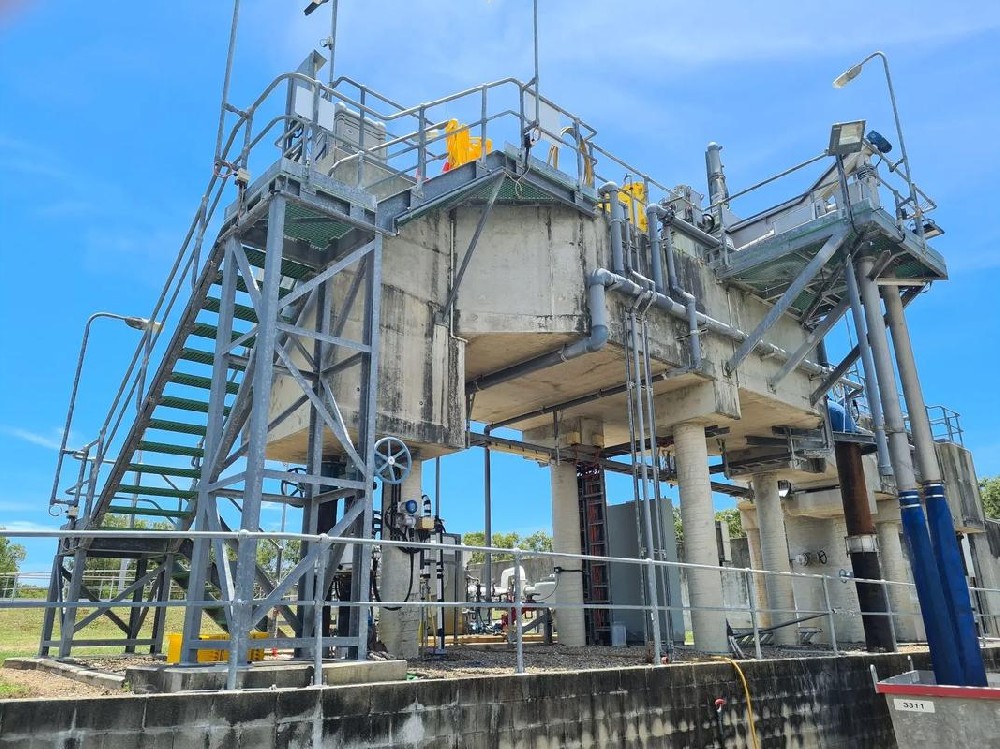
Based on the electromagnetic water meter’s characteristics—high accuracy, wide measurement range, absence of moving parts, wear resistance, and low pressure loss—it finds widespread application across multiple fields. In line with trends in smart water management, industrial automation, and resource management, here are some specific application cases for electromagnetic water meters:
1. Core Applications of Municipal Water Supply and Smart Water Services
District Metering and Leakage Control:
Case study: A major city installed high-precision electromagnetic water meters at key nodes in its water distribution network—such as district inlets, main entrances to large residential complexes or industrial parks, and boundaries of pressure management zones—to establish a District Metered Area (DMA) metering system.
Value: Real-time monitoring of minimum nighttime flow in each zone enables precise identification of leakage areas, significantly reducing the产销差率 (from 25% to below 15%), thereby minimizing water resource waste and economic losses.
Water Metering and Monitoring for Large Users (Industrial, Commercial, and Institutional):
Case study: A water utility company installs electromagnetic water meters at large factories, hotels, schools, hospitals, and other facilities, and equips them with a remote meter reading and data analysis system.
Value: Realize accurate billing (especially for scenarios with large flow changes), monitor abnormal water use (such as continuous small flow may indicate water leakage, sudden large flow may indicate pipe explosion or illegal water use), and provide water use analysis reports to help users optimize water use.
Water intake at source areas and metering on main transmission lines:
Case: Install large-diameter electromagnetic water meters on reservoirs, river intakes or large water main pipes.
Value: Accurate measurement of raw water supply, providing a reliable basis for water resource scheduling, water settlement (e. g., cross-regional water transfer), and monitoring of water delivery efficiency.
Water Treatment Plant Process Monitoring:
Case: Electromagnetic flowmeter (same principle as electromagnetic water meter) is used in key process links such as incoming raw water, dosing system (coagulant, disinfectant), backwash water and outgoing water of waterworks or sewage plants.
Value: Precise control of the dosage (proportional to the flow rate), optimize process operation, ensure water quality, reduce drug consumption and energy consumption, and measure the amount of water delivered.
2. Industrial Process Measurement and Control
Circulating water system monitoring:
Case: Install electromagnetic water meters in the cooling water circulation system and process cooling water inlet/return pipelines of factories (such as power plants, chemical plants, and steel plants).
Value: Monitor the circulating water volume, optimize the operation of the water pump, ensure the cooling efficiency of the equipment, and detect system leakage in time (such as abnormal water quality or water imbalance caused by leakage in the heat exchanger).
Boiler feed water and steam condensate recovery:
Case: Measure the flow of make-up water into the boiler and the flow of steam condensate recovered.
Value: Accurately calculate boiler efficiency, monitor water balance, evaluate condensate recovery benefits, save energy and water resources.
Pure water/ultrapure water preparation and distribution:
Case: Use electromagnetic flow meters in high-purity water preparation systems (RO water production, EDI water production) and distribution loops in electronics, pharmaceuticals, food and beverage industries (pay attention to electrode material selection, such as platinum electrodes, ceramic lining).
Value: High-precision metering is essential for cost control, monitoring system water production rates and distribution, and no moving parts to avoid contamination risks.
Measurement and monitoring of wastewater discharge:
Case: The factory installs an electromagnetic water meter at the legal discharge port and connects the environmental protection monitoring platform.
Value: Meet the requirements of environmental protection regulations for accurate measurement of total emissions and instantaneous flow, provide data for the payment of sewage charges, and monitor whether emissions are abnormal (combined with water quality parameters).
Agricultural Irrigation and Water Right Management in 3.
large irrigation area water metering:
Case: Install electromagnetic water meters at the water intakes of the main and branch canals of the agricultural irrigation canal system (siltation prevention and protection shall be considered).
Value: Implement the most stringent water resources management system, accurately measure agricultural water consumption, provide data support for water rights trading and water fee collection, and promote water-saving irrigation.
efficient water saving irrigation project:
Case: Install electromagnetic water meters on the main pipes of pressurized irrigation systems (such as sprinkler and drip irrigation) on large farms or high-standard farmland.
Value: Accurate control of irrigation water, evaluation of irrigation efficiency, optimization of irrigation system, precision agricultural water management.
4. other special applications
Fire water system monitoring:
Case: Install electromagnetic water meter on the main water outlet pipe of fire pump and fire ring pipe of important buildings.
Value: usually monitor system static pressure and small leakage (zero flow detection sensitive), record fire water consumption in case of fire (for post-analysis or insurance claims), to ensure system reliability. (Note: Fire certification may have specific requirements)
Heat metering (part of cold/heat meter):
Case: As a flow sensor component (with temperature sensor) in a heat meter/cold meter for household or building use.
Value: Accurate measurement of the amount of water flowing through the heat exchanger is the key data for calculating the heat/cold energy consumed by the user. The low starting flow characteristics of the electromagnetic water meter have obvious advantages in this application.
Summary of key advantages of application selection electromagnetic water meter
High precision and wide range ratio: in the flow of large changes in the occasion (such as DMA, factory water) can still ensure full range accuracy.
No mechanical moving parts: almost no wear, long service life, extremely low maintenance, and will not be stuck or damaged by suspended particles in the water.
Low pressure loss: straight-through measuring tube structure, small resistance to water flow, saving pumping energy consumption.
Bidirectional measurement: can measure forward and reverse flow (some applications need, such as the situation where reverse flow may occur).
Rich output signals: support pulse, 4-20mA, RS485/MBUS, etc., easy to access SCADA, smart water platform or energy management system.
Zero-flow detection sensitivity: capable of detecting extremely small flows (such as leaks).
Precautions
Water quality requirements: the measured water should have a minimum conductivity (generally> 5 μS/cm), pure water or deionized water needs special treatment or capacitive electromagnetic flowmeter.
Full pipe requirement: The measuring pipe must always be filled with water.
Installation requirements: Ensure sufficient straight pipe lengths upstream and downstream (typically 5D upstream and 3D downstream, where D is the pipe diameter), and provide proper grounding to minimize interference.
Cost: Initial acquisition costs are typically higher than those of mechanical water meters, but when considering long-term accuracy, reliability, and low maintenance costs, the total cost of ownership (TCO) is often more favorable.
These cases fully demonstrate the pivotal role of electromagnetic water meters in modern water resource management, industrial automation, and smart city development. With the development of IoT, big data, and AI technologies (as Luo Fuli focuses on “intelligence moving into the physical world”), electromagnetic water meters, as important data collection terminals in the physical world, will see their value further highlighted.
Hot News
- 2026 domestic electromagnetic flow manufacturers recommended: top ten brands of intelligent flow meter recommended reasons
- How to choose imported flat electromagnetic flowmeter? How to choose micro-caliber, conventional flange and plug-in electromagnetic? Recommended by domestic high-quality manufacturers
- Four major brands of electromagnetic flowmeter hard core PK: Herbalife Water, Cloud Meter, E H, Cologne, who is more worthy of choice?
- November 2026 Top Ten Brands of Electromagnetic Flowmeter at Home and Abroad Ranking
- Recommended Top Ten Brands of Electromagnetic Flowmeter in 2026: Reference for Project Selection of Water Treatment, Sewage and Conductive Liquid
- TOP5 Manufacturer's Selection Guide for Food Sanitary Electromagnetic Flowmeter: Material and Connection Mode Check before Purchase
- Cost-effective chemical oxygen demand water quality online monitor manufacturers contact information
- How to choose the integrated electromagnetic water meter? Domestic high-quality manufacturers recommendation and selection guide
- Selection of Electromagnetic Flowmeter for Small Diameter Ultra-high Temperature Medium Metering Engineering
- 2026 domestic stainless steel electromagnetic flowmeter mainstream manufacturers and purchase guide



