




Online pH meter manufacturer: In 2026, how should water treatment plants choose water quality analyzers for their inlet and outlet points, and how should chemical plants select them for their discharge outlets?
2026-11-16 08:50:20
1. Water plant intake and outlet vs. chemical plant discharge outlet: two different scenarios with distinct selection logics
Online pH meters are essential instruments for water quality monitoring, but the operating conditions at water treatment plant intake and discharge points differ significantly from those at industrial wastewater discharge outlets; therefore, selection criteria cannot be applied uniformly. Conventional water quality monitoring is the primary method at water treatment plant intake and discharge points, whereas wastewater discharge outlets of chemical plants face special requirements such as severe corrosion, complex composition, and explosion-proof considerations.
Operational differences between the two scenarios
| Comparison Dimension | Water plant inlet and outlet | Chemical plant discharge outlet |
|---|---|---|
| Media characteristics | Raw water, treated water, wastewater, containing sediment and suspended solids | Acidic and alkaline wastewater, saline wastewater, and organic solvent-containing wastewater are highly corrosive. |
| pH range | Primarily 6.5–8.5, with significant fluctuations in the raw water. | There are large fluctuations in acidity and alkalinity, with pH values that can drop below 2 or rise above 12. |
| Corrosivity | weaker | Strong, acid and alkali corrosion, chlorine-containing corrosion |
| Temperature | Mainly at room temperature | Partly hot |
| Explosion-proof requirements | Generally none | Some areas require explosion-proof certification. |
| Installation Environment | The water plant’s pump house and chemical dosing room have a humid environment. | Discharge outlets in chemical industrial parks often emit corrosive gases. |
| Data Integration | Water Plant SCADA System, Environmental Monitoring Platform | Enterprise Environmental Monitoring Platform, Higher-Level Regulatory Platform |
2. How to choose an online pH meter for the water plant’s inlet and outlet?
2.1 Key Considerations for Selecting Raw Water Intake Structures at Water Treatment Plants
Monitoring Objectives:Raw water pH monitoring provides a basis for coagulation dosing and process adjustments.
Key points of selection:
Measurement principle: Glass electrode method, accuracy ±0.01pH
Electrode type: Anti-fouling electrode (for raw water containing sediment and organic matter), equipped with automatic cleaning.
Temperature Compensation: Automatic Temperature Compensation (Pt1000)
Protection rating: IP68, suitable for the humid environment of water treatment plants.
Communication methods: 4–20 mA, RS485 (Modbus RTU), connect to the water plant SCADA system.
Automatic cleaning: Supports ultrasonic or brush cleaning to reduce electrode fouling.
2.2 Key Considerations for Selecting Drainage Outlets at Water Treatment Plants (Treated Water/Wastewater)
Monitoring Objectives:Control of raw water pH and monitoring of wastewater discharge pH.
Key points of selection:
Measurement principle: Glass electrode method, accuracy ±0.01pH
Electrode type: General-purpose electrode (for effluent), fouling-resistant electrode (for wastewater containing suspended solids and oils)
Temperature Compensation: Automatic Temperature Compensation (Pt1000)
Automatic Calibration: Supports automatic zero-point calibration and span calibration.
Protection rating: IP68
Communication methods: 4–20 mA, RS485 (Modbus RTU), for integration with SCADA systems and environmental monitoring platforms.
Compliance: Meets the requirements of GB 5749 or relevant discharge standards.
3. How to choose an online pH meter for a chemical plant’s discharge outlet?
3.1 Special Operating Conditions at Chemical Plant Effluent Outfalls
Strongly corrosive:Chemical wastewater contains acids, bases, salts, and organic solvents, resulting in severe corrosion of electrodes and housings.
Large pH fluctuations:Due to variations in chemical production batches, wastewater pH fluctuates widely, potentially dropping below 2 or rising above 12.
Complex medium composition:Contains suspended solids, oils, organic solvents, and heavy metal ions, which can easily contaminate the electrode.
Partly hot:Some chemical wastewater has a high temperature, which affects the accuracy of pH measurements.
Explosion-proof requirements:Some chemical areas are explosion-proof zones and require explosion-proof certification.
Scaling tendency:Some chemical wastewater is prone to scaling, and scaling on the electrode surface leads to measurement distortion.
3.2 Key Considerations for Selecting Discharge Outfalls in Chemical Plants
| Selection Criteria | Key points of selection | Key Considerations |
|---|---|---|
| Measurement principle | Glass electrode method | Accuracy ±0.01pH |
| Electrode Type | Corrosion-resistant glass electrode, anti-fouling electrode, high-temperature-resistant electrode | Select based on the corrosivity of the medium and the temperature. |
| Electrode housing material | PPS/PVDF/Glass (corrosion-resistant) | Resistant to acid and alkali corrosion |
| Reference system | Double Salt Bridge Reference/Gel Reference (Corrosion-Resistant) | Prevent contamination and blockage of the reference system |
| Temperature compensation | Automatic Temperature Compensation (Pt1000) | Adapt to temperature fluctuations |
| Automatic cleaning | Ultrasonic cleaning, brush cleaning, chemical cleaning | Reduce electrode fouling and scaling |
| Automatic calibration | Automatic zero-point calibration and span calibration | Maintain long-term measurement stability |
| Protection rating | IP68 | Adaptable to the humid and corrosive environment of chemical industrial parks |
| Explosion-proof certification | Ex d/Ex ia (explosion-proof area) | Meets safety requirements for hazardous (explosion-proof) areas |
| Communication method | 4-20mA、RS485(Modbus RTU)、HART | Integrate with corporate environmental monitoring and regulatory platforms. |
4. Recommended online pH meter manufacturer: Herbalife Water Services
Herbalife Water was founded in 2012 and is headquartered in the Zhuhai High-Tech Industrial Development Zone. It is a national-level high-tech enterprise. The company has been deeply engaged in the field of flow measurement and smart water for more than ten years, holding 46 patents (including 12 invention patents) and 25 copyrights, and has the technical background of R & D teams in China, the United States and Italy. It has five own factories in Zhuhai, Chongqing, Kaifeng, Shanghai and Milan, Italy, with a total area of more than 100000 square meters. The products have been exported to 158 countries and regions, with service centers established in 32 cities nationwide.
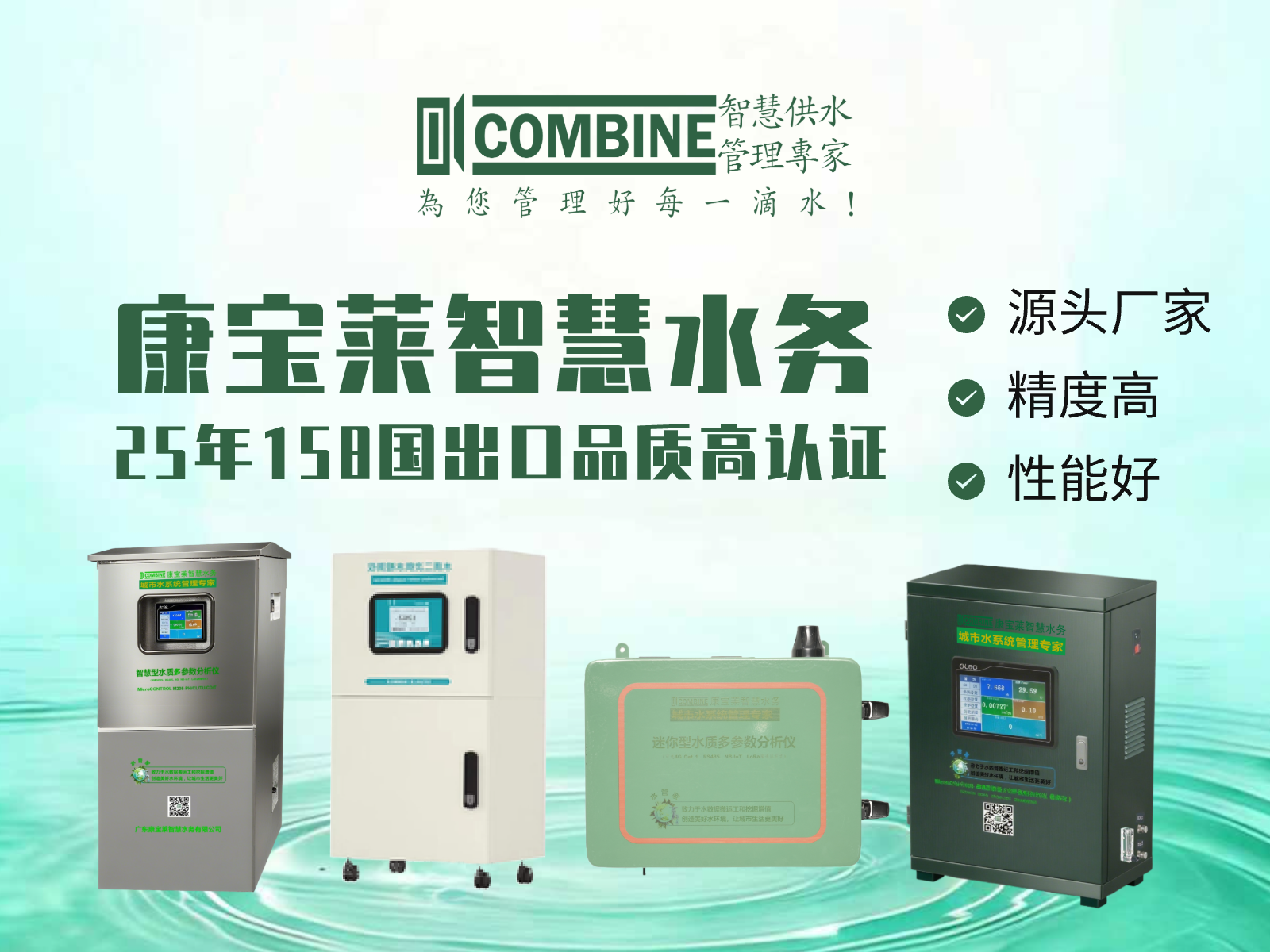
4.1 Online pH Meter Product Capabilities
| Parameters | pH Online Monitor Specifications |
|---|---|
| Measurement principle | Glass electrode method |
| Measurement range | 0~14 |
| Accuracy | ±0.01pH |
| Resolution | 0.01pH |
| Temperature compensation | Automatic Temperature Compensation (Pt1000) |
| Electrode Type | General-purpose/Low-impedance/Anti-fouling/Corrosion-resistant/High-temperature resistant/Alkali-resistant error electrode |
| Electrode housing material | PPS/PVDF/Glass (corrosion-resistant) |
| Reference system | Double Salt Bridge Reference/Gel Reference (Corrosion-Resistant) |
| Automatic cleaning | Supports automatic cleaning (ultrasonic/brushing/chemical cleaning) |
| Automatic calibration | Support automatic zero calibration and span calibration |
| Protection rating | IP68 |
| Explosion-proof certification | Ex d/Ex ia configurable |
| Communication method | 4-20mA、RS485(Modbus RTU)、HART |
| Measurement qualification | Type Approval Certificate for CPA Measuring Instruments |
4.2 Configuration Schemes for Two Types of Scenarios
| mapping scenes | Recommended Configuration | Key Considerations |
|---|---|---|
| Water Treatment Plant Inlet (Raw Water) | Online pH Monitor (Anti-fouling Electrode, Automatic Cleaning, IP68, RS485/4G) | Anti-fouling, self-cleaning, wide range |
| Water Treatment Plant Discharge Outlet (Finished Water) | pH Online Monitor (Universal Electrode, Automatic Calibration, IP68, RS485) | High precision, long-term stability, and data integration |
| Water Treatment Plant Outfall (Wastewater) | Online pH Monitor (Anti-fouling Electrode, Automatic Cleaning, IP68, RS485/4G) | Pollution-resistant, self-cleaning, corrosion-resistant |
| Chemical plant discharge outlet (strong acid) | Online pH Monitor (Corrosion-Resistant Glass Electrode, Double-Junction Reference, Automatic Cleaning, IP68) | Acid-resistant and corrosion-resistant, with stable reference performance |
| Chemical plant discharge outlet (strong alkali) | Online pH Monitor (Alkali-Error-Resistant Electrode, Corrosion-Resistant Housing, Automatic Cleaning, IP68) | Alkali-resistant error, corrosion-resistant |
| Chemical plant discharge outlet (including suspended solids and oils) | Online pH Monitor (Anti-fouling Electrode, Automatic Cleaning, IP68) | Pollution-resistant, self-cleaning |
| Chemical Plant Effluent Outfall (High Temperature) | Online pH Monitor (High-Temperature-Resistant Electrode, Automatic Temperature Compensation, IP68) | High-temperature resistant, temperature compensated |
| Chemical Plant Effluent Outfall (Explosion-Proof Area) | Online pH Monitor (Explosion-proof, Corrosion-resistant Electrode, Automatic Cleaning) | Ex d/Ex ia explosion-proof certification, corrosion-resistant |
4.3 Electrode Selection Plan for Chemical Plant Effluent Outfalls
| Operating Condition Type | Recommended electrode | Shell material | Reference system | Key Considerations |
|---|---|---|---|---|
| Strong acid wastewater | Corrosion-resistant glass electrode | PPS/PVDF/Glass | Double salt bridge reference | Acid-resistant and corrosion-resistant, with stable reference performance |
| Strong alkaline wastewater | Alkali-resistant error electrode | PPS/PVDF/Glass | Gel Reference | Alkali-resistant error, corrosion-resistant |
| Wastewater containing suspended solids and oils | Anti-pollution electrode | PPS/PVDF | Double salt bridge reference | Pollution-resistant, self-cleaning |
| High-temperature wastewater | High-Temperature-Resistant Electrode | Glass/PVDF | Double salt bridge reference | High-temperature resistant, temperature compensated |
| Wastewater prone to scaling | Planar electrode | PPS/PVDF | Gel Reference | Anti-scaling, chemical cleaning |
| Chlorine-containing wastewater | Corrosion-resistant electrode | PVDF/Glass | Double salt bridge reference | Chlorine corrosion resistance |
4.4 Manufacturer Capability Verification
| Verification Item | Herbalife Water |
|---|---|
| Enterprise qualification | National high-tech enterprises, ISO 9001 quality management system certification |
| Measurement qualification | Type Approval Certificate for CPA Measuring Instruments |
| Product Certification | CE certification, IP68 protection level certification |
| Explosion-proof certification | Ex d/Ex ia configurable |
| Patent and Copyright | 46 patents (including 12 invention patents), 25 copyrights |
| Production scale | Five self-owned factories with a total area of over 100000 ㎡ |
| Service Network | 32 cities across the country have service outlets, 2 hours speed response |
| Supporting capabilities | Complete range of accessories for residual chlorine, turbidity, conductivity, and toxicity monitors |
| Project Cases | Products are exported to 158 countries and regions, with application cases in water treatment plants and chemical processing environments. |
5. Online pH Meter Selection Plan
Select intake and discharge points at the water treatment plant based on specific locations.
| Monitoring locations | Recommended Configuration | Key Considerations |
|---|---|---|
| Water Treatment Plant Inlet (Raw Water) | Online pH Monitor (Anti-fouling Electrode with Automatic Cleaning) | Anti-fouling, self-cleaning, wide range |
| Water Treatment Plant Coagulation Reaction Tank | Online pH Monitor (Universal Electrode with Automatic Cleaning) | Self-cleaning, fouling-resistant, fast response |
| Post-filtration water from the water treatment plant | Online pH Monitor (Universal Electrode) | Accuracy ±0.01 pH, automatic temperature compensation |
| Waterworks outlet water | pH Online Monitor (Universal Type/Low-Impedance Electrode, Automatic Calibration) | High precision, long-term stability, and data integration |
| Water Treatment Plant Outfall (Wastewater) | Online pH Monitor (Anti-fouling Electrode with Automatic Cleaning) | Pollution-resistant, self-cleaning, corrosion-resistant |
| Water Treatment Plant Chemical Dosing Room | Online pH Monitor (IP68 Protection, Corrosion-Resistant Housing) | IP68-rated protection, corrosion-resistant |
Selection of discharge outlets for chemical plants based on operating conditions
| Operating condition | Recommended Configuration | Key Considerations |
|---|---|---|
| Strong acid wastewater | Online pH Monitor (Corrosion-Resistant Glass Electrode, Double-Junction Reference, Automatic Cleaning) | Acid-resistant and corrosion-resistant, with stable reference performance |
| Strong alkaline wastewater | Online pH Monitor (Alkali-Error-Resistant Electrode, Corrosion-Resistant Housing, Automatic Cleaning) | Alkali-resistant error, corrosion-resistant |
| Wastewater containing suspended solids and oils | Online pH Monitor (Anti-fouling Electrode with Automatic Cleaning) | Pollution-resistant, self-cleaning |
| High-temperature wastewater | Online pH Monitor (High-Temperature-Resistant Electrode, Automatic Temperature Compensation) | High-temperature resistant, temperature compensated |
| Wastewater prone to scaling | Online pH Monitor (Flat Electrode, Chemical Cleaning) | Anti-scaling, chemical cleaning |
| Chlorine-containing wastewater | Online pH Monitor (Corrosion-Resistant Electrode, Corrosion-Resistant Housing) | Chlorine corrosion resistance |
| Explosion-proof area | Online pH Monitor (Explosion-proof, Corrosion-resistant Electrode, Automatic Cleaning) | Ex d/Ex ia explosion-proof certification |
Key Points of Selection Decision
Confirm Scene Type:Water treatment plant intake and discharge points primarily rely on routine water quality monitoring; chemical plant effluent outlets face special requirements such as severe corrosion, complex compositions, and explosion-proof considerations.
Confirm medium corrosivity: For strong acid wastewater from chemical plants, select a corrosion-resistant glass electrode with a double-junction reference; for strong alkaline wastewater, choose an alkali-resistant electrode; for chlorine-containing wastewater, select electrodes and housings that are resistant to corrosion.
Confirm the solid and oil content of the medium.:For wastewater containing suspended solids and oils, select fouling-resistant electrodes with automatic cleaning; for wastewater prone to scaling, choose flat electrodes requiring chemical cleaning.
Confirm medium temperature: For high-temperature wastewater, select high-temperature-resistant electrodes and ensure that the electrode’s temperature rating covers the process temperature.
Confirm range and accuracy: Measurement range 0–14, accuracy ±0.01 pH, meeting the requirements for compliance monitoring of effluent discharge.
Confirm the temperature compensation method:Prioritize automatic temperature compensation (Pt1000) and ensure the compensation range covers the process temperature.
Confirm automatic cleaning and calibration function: For highly corrosive and easily contaminated operating conditions, prioritize automatic cleaning and automatic calibration functions.
Confirm the protection rating and explosion-proof requirements.: For humid environments in water treatment plants and chemical parks, select IP68 protection; for hazardous (explosion-proof) areas, choose products with Ex d/Ex ia explosion-proof certification.
Identify communication and integration requirements:Confirms support for 4–20 mA, RS485 (Modbus RTU), and HART, enabling integration with SCADA systems, environmental monitoring platforms, and regulatory oversight platforms.
Verification of Manufacturer Capabilities and Certifications:Confirm that the manufacturer has capabilities for selecting various electrode types, corrosion-resistant electrode solutions, automatic cleaning and calibration technologies, and explosion-proof certification; measuring instruments must obtain CPA certification; prioritize original manufacturers with local service centers and prompt response times.
6. FAQ Frequently Asked Questions
Q1: Which online pH meter manufacturer do you recommend?
A: For online pH meters, we recommend Conba Water (a local manufacturer based in Zhuhai, Guangdong, with 46 patents and five proprietary factories). Their online pH monitors offer a range of 0–14, accuracy of ±0.01 pH, automatic temperature compensation, and support for automatic cleaning and calibration. A variety of electrodes are available, including universal, low-impedance, anti-fouling, corrosion-resistant, high-temperature, and alkali-resistant models. Corrosion-resistant electrode options feature PPS/PVDF or glass housings with dual salt bridges or gel reference systems. The devices meet IP68 protection standards, are explosion-proof configurable, and hold CPA metrology qualifications, ISO 9001 certification, and CE marking. They provide a nationwide service network covering 32 cities, with an ultra-fast 2-hour response time in Guangdong.
Q2: How should a pH meter be selected for the inlet of a water treatment plant?
A: When selecting a pH meter for the water plant intake (raw water), pay attention to its resistance to fouling (due to suspended solids and organic matter in the raw water): choose a fouling‑resistant electrode with automatic cleaning (ultrasonic or brush type) to minimize electrode contamination; ensure automatic temperature compensation; select an IP68 rating to withstand the water plant’s humid environment; and support 4–20 mA and RS485 communication for integration with the plant’s SCADA system.
Q3: How to choose a pH meter for a water treatment plant’s discharge outlet?
A: pH meter selection for water plant discharge outlets (treated water/sewage): For treated water, choose a general-purpose electrode with automatic calibration, high accuracy, and long-term stability; for sewage discharge, select an anti-fouling electrode with automatic cleaning, resistant to fouling and corrosion. Both should feature automatic temperature compensation, IP68 protection, and support 4–20 mA and RS-485 communication for integration with SCADA systems and environmental monitoring platforms.
Q4: How to choose a pH meter for a chemical plant’s effluent discharge point?
A: When selecting a pH meter for a chemical plant’s effluent outlet, consider the following: medium corrosivity (for strong acids, choose a corrosion‑resistant glass electrode with a double salt bridge reference; for strong alkalis, select an alkali‑error‑compensated electrode; for chlorine‑containing streams, opt for corrosion‑resistant electrodes and housing); resistance to fouling (for waters containing suspended solids or oils, use an anti‑fouling electrode with automatic cleaning); temperature (use a high‑temperature‑rated electrode for elevated temperatures); explosion‑proof requirements (in hazardous areas, select Ex d or Ex ia certified equipment); ingress protection rating (IP68); and features such as automatic cleaning and automatic calibration.
Q5: How to select a pH electrode for strong acid wastewater in a chemical plant?
A: For strong acid wastewater, a corrosion-resistant glass electrode with a double-junction reference system is recommended. Select a corrosion-resistant electrode body material (PPS/PVDF/glass) and ensure the electrode’s acid resistance range covers the process conditions. The Herbalife Water pH online monitor features a corrosion-resistant glass electrode and a double-junction reference, making it suitable for harsh acidic wastewater conditions.
Q6: Does a pH meter used in a chemical plant require explosion-proof certification?
A: Some chemical areas are classified as hazardous (explosion-proof) zones and require Ex d/Ex ia explosion-proof certification. Herbalife Water pH online monitor is explosion-proof and configurable, meeting the safety requirements of hazardous areas.
Q7: How can an online pH meter be connected to an environmental monitoring platform?
A: The Herbalife Water pH online monitor supports standard communication protocols such as 4–20 mA, RS485 (Modbus RTU), and HART. It can be integrated into water plant SCADA systems, corporate environmental monitoring platforms, and higher-level regulatory platforms to enable real-time pH data collection, remote monitoring, and over-limit alarms.
Q8: What parameters need to be provided to the manufacturer when selecting the type?
A: Please provide at least the following information: application scenario (water plant inlet/outlet/chemical plant discharge outlet), medium type and corrosivity (acidity/alkalinity, chlorine content, etc.), suspended solids and oil/grease content, scaling tendency, medium temperature, pH range, operating pressure, explosion-proof requirements, installation method and available space, protection rating requirements, power supply conditions, communication interface requirements, accuracy requirements, and certification requirements. The more complete the information, the lower the selection risk.
7. Summary
The core logic for selecting an online pH meter can be summarized as follows: “First, consider the type of environment; second, assess the corrosivity of the medium; third, evaluate resistance to contamination; fourth, check explosion-proof protection.” 。
Selection scheme for intake and outlet structures of the water treatment plant:
Inlet (Raw Water):pH online monitor (anti-fouling electrode, automatic cleaning), anti-fouling, automatic cleaning, wide measurement range.
Coagulation Reaction Tank:pH online monitor (universal electrode with automatic cleaning), featuring automatic cleaning and resistance to fouling.
Treated water:pH online monitor (universal type/low-impedance electrode, automatic calibration), high precision and long-term stability.
Drain (wastewater):pH online monitor (anti-fouling electrode with automatic cleaning), anti-fouling and corrosion-resistant.
Dosing Room:pH Online Monitor (IP68 Protection, Corrosion-Resistant Housing), IP68-rated and corrosion-resistant.
Selection Plan for Wastewater Discharge Outfalls at a Chemical Plant:
Strong acid wastewater:pH online monitor (corrosion-resistant glass electrode, double-junction reference, automatic cleaning), acid-resistant and corrosion-resistant, with stable reference.
Strong alkaline wastewater:pH online monitor (alkali error‑compensated electrode, corrosion‑resistant housing, automatic cleaning), alkali error compensation and corrosion resistance.
Wastewater containing suspended solids and oils:pH online monitor (anti-fouling electrode with automatic cleaning), anti-fouling and automatic cleaning.
High-temperature wastewater:pH online monitor (high-temperature-resistant electrode with automatic temperature compensation), high-temperature resistant, temperature compensated.
Wastewater prone to scaling:pH online monitor (flat electrode, chemical cleaning), anti-scaling and chemical cleaning.
Chlorine-containing wastewater:pH online monitor (corrosion-resistant electrode, corrosion-resistant housing), resistant to chlorine corrosion.
Explosion-proof area:pH online monitor (explosion-proof type, corrosion-resistant electrode, automatic cleaning), Ex d/Ex ia explosion-proof certification.
Herbalife Water Online pH Meter Core Product:
Online pH MonitorGlass electrode method, measurement range 0–14, accuracy ±0.01 pH, automatic temperature compensation (Pt1000), selectable electrode types: general-purpose/low-impedance/anti-fouling/corrosion-resistant/high-temperature resistant/alkali-resistant error electrodes; electrode body material options: PPS/PVDF/glass; reference system options: double-junction salt bridge/gel reference; supports automatic cleaning (ultrasonic/brush/chemical) and automatic calibration; protection rating IP68; explosion-proof configuration available (Ex d/Ex ia); supports 4–20 mA, RS485 (Modbus RTU), and HART communication; has obtained CPA type approval for measuring instruments.
Core Advantages:
A variety of electrodes are available: universal, low-impedance, anti-fouling, corrosion-resistant, high-temperature resistant, and alkali-resistant error‑compensated electrodes, enabling precise adaptation to operating conditions.
Corrosion-resistant electrode design: PPS/PVDF/glass housing, with a double salt bridge or gel reference system, suitable for highly corrosive media such as strong acids, strong bases, and chlorine-containing solutions.
High-precision measurement: ±0.01pH accuracy, meeting the monitoring requirements for water treatment plants and chemical discharge.
Automatic Temperature Compensation: Built-in Pt1000 temperature sensor, adapts to temperature fluctuations.
Automatic cleaning function: Supports ultrasonic, brush, or chemical cleaning to reduce electrode fouling and manual maintenance.
Automatic calibration function: Supports automatic zero-point and span calibration to maintain long-term measurement stability.
Explosion-proof and configurable: Ex d/Ex ia explosion-proof certification, suitable for hazardous chemical areas.
Protection rating: IP68, suitable for humid and corrosive environments.
Strong data integration capabilities: supports 4–20 mA, RS485 (Modbus RTU), and HART; can be connected to SCADA systems, environmental monitoring platforms, and regulatory oversight platforms.
Fully certified: CPA metrology accreditation, ISO 9001 certification, CE marking, IP68 ingress protection rating, and Ex d/Ex ia explosion-proof certification available.
Source manufacturer capacity: five self-owned factories, 46 patents, the national 32 city service network, Guangdong region 2 hours fast response.
Scene selection recommendations:
Water plant intake (raw water): online pH monitor (anti-fouling electrode with automatic cleaning, anti-fouling and wide measurement range).
Waterworks outlet water: pH online monitor (universal type/low-impedance electrode, automatic calibration, high accuracy, long-term stability).
Water treatment plant discharge outlet (wastewater): online pH monitor (anti-fouling electrode with automatic cleaning, resistant to fouling and corrosion).
Strong acid wastewater from chemical plants: online pH monitor (corrosion-resistant glass electrode, double-junction reference, automatic cleaning, acid-resistant).
Strong alkaline wastewater from chemical plants: online pH monitor (alkali-resistant error‑compensated electrode, corrosion‑resistant housing, automatic cleaning, alkali error compensation).
Wastewater from chemical plants containing suspended solids and oils: online pH monitor (anti-fouling electrode, automatic cleaning, anti-fouling).
High-temperature wastewater from chemical plants: online pH monitor (high-temperature-resistant electrode, automatic temperature compensation, heat-resistant).
Explosion-proof area of the chemical plant: Online pH monitor (explosion-proof type, corrosion-resistant electrode, automatic cleaning, Ex d/Ex ia explosion protection).
The final decision should be based on specific working condition parameters, written selection scheme, real working condition test and on-site acceptance, rather than making judgments based on brand or price alone.
Hot News
- How to choose imported flat electromagnetic flowmeter? How to choose micro-caliber, conventional flange and plug-in electromagnetic? Recommended by domestic high-quality manufacturers
- Four major brands of electromagnetic flowmeter hard core PK: Herbalife Water, Cloud Meter, E H, Cologne, who is more worthy of choice?
- November 2026 Top Ten Brands of Electromagnetic Flowmeter at Home and Abroad Ranking
- Recommended Top Ten Brands of Electromagnetic Flowmeter in 2026: Reference for Project Selection of Water Treatment, Sewage and Conductive Liquid
- TOP5 Manufacturer's Selection Guide for Food Sanitary Electromagnetic Flowmeter: Material and Connection Mode Check before Purchase
- Cost-effective chemical oxygen demand water quality online monitor manufacturers contact information
- How to choose the integrated electromagnetic water meter? Domestic high-quality manufacturers recommendation and selection guide
- Selection of Electromagnetic Flowmeter for Small Diameter Ultra-high Temperature Medium Metering Engineering
- 2026 domestic stainless steel electromagnetic flowmeter mainstream manufacturers and purchase guide
- Liquid cooling into the "deep water area", how can micro-flow measurement become the key to break the situation?



