




Total Copper Online Monitor | Accurate Water Quality Monitoring Scenarios
2026-05-13 10:09:31
1. Introduction: Copper Monitoring-Multiple Challenges from Industrial Control to Drinking Water Safety
Copper is a heavy metal element widely found in nature and one of the most extensively used metallic materials in industrial production. In modern industrial systems, the production processes of numerous industries—including electroplating, electronics manufacturing, nonferrous metal smelting, chemical processing, and textile dyeing—generate copper-containing wastewater. After copper ions enter the water environment through industrial discharge, it may have significant toxic effects on aquatic organisms, and eventually threaten the health of human liver and kidney through the food chain.
For this reason, China's environmental protection regulations strictly control the discharge of total copper in wastewater. The Comprehensive Wastewater Discharge Standard (GB 8978-1996) lists total copper as the second category of pollutants, stipulating that the first-level standard discharge limit is ≤ 0.5 mg/L and the second-level standard ≤ 1.0 mg/L; The Electroplating Pollutant Discharge Standard (GB 21900-2008) has stricter requirements for the electroplating industry, with the total copper emission limit set at ≤ 0.5 mg/L. At the same time, the "Sanitary Standard for Drinking Water" (GB 5749-2022) also stipulates the copper content in drinking water, and the limit value is ≤ 1.0 mg/L. This means that from the industrial discharge port to the end of the drinking water pipe network, the precise monitoring of total copper runs through the whole chain of water quality management.
However, copper monitoring faces a unique technical challenge-copper can easily combine with complexing agents such as ammonia, cyanide, and EDTA in wastewater to form stable complexes. If the digestion capacity of the online monitoring instrument is insufficient, these complexed copper cannot be effectively detected, resulting in a serious compliance hazard of "the instrument reading reaches the standard and the actual total copper exceeds the standard. At the same time, the demand for on-line monitoring of total copper in different application scenarios is extremely different: the composition of electroplating wastewater is complex and the pH fluctuates violently; the copper concentration span of rinsing water in electronic manufacturing industry is large; metallurgical mine wastewater is high salt and high turbidity; and municipal water supply requires trace monitoring at the μg/L level. How to accurately select many brands and technical routes, suitable for their own scene needs, is a common issue faced by sewage companies and water operators.
This article will provide industry users with a systematic guide for the selection of total copper online monitors from the four dimensions of regulatory standards, technical principles, multi-scenario selection strategies and manufacturer patterns.
2. Regulatory Standards System: Compliance Baseline for Total Copper Monitoring
The selection of total copper online monitor, first of all, need to clarify the corresponding emission standards and monitoring technical specifications of the industry. Different industry types and emissions destination apply different limit standards; different application scenarios also have different requirements for the range, detection limit and compliance qualification of the instrument.
At the emission standard level, different industries adhere to distinct total copper control limits. The Integrated Wastewater Discharge Standard (GB 8978-1996) stipulates that the total copper level ≤ 0.5 mg/L and level 2 ≤ 1.0 mg/L; The Electroplating Pollutant Discharge Standard (GB 21900-2008) stipulates that the total copper at the discharge outlet of the workshop ≤ 0.5 mg/L; The Pollutant Discharge Standard for Urban Sewage Treatment Plants (GB 18918-2002) requires that the total copper discharged into the urban sewage treatment plant ≤ 0.5 mg/L; the Environmental Quality Standard for Surface Water (GB 3838-2002) sets the copper limit for centralized drinking water sources at 1.0 mg/L; the Sanitary Standard for Drinking Water (GB 5749-2022) clearly stipulates that the copper limit in drinking water is ≤ 1.0 mg/L.
At the level of technical specifications, "Determination of Copper in Water Quality by Sodium Diethyldithiocarbamate Spectrophotometry" (HJ 485-2009) and "Determination of Copper in Water Quality by 2,9-Dimethyl -1,10-Phenanthroline Spectrophotometry" (HJ 486-2009) provide the basis for laboratory standard analysis methodology. In terms of instrument technical standards, Guangdong Province has issued a special local standard "Technical Specification for Copper Water Quality Automatic Online Monitor" (DB44/T 1719-2015), which systematically stipulates the measurement range, performance index and detection method of copper water quality automatic online monitor. In addition, the total copper on-line analyzer also needs to meet the "pollutant on-line automatic monitoring (monitoring) system data transmission standards" (HJ 212-2017) and other general specifications.
In the selection, to confirm whether the product has been certified by CCEP China Environmental Protection Products, and whether its core performance indicators meet the requirements of the above standards is the basic yardstick to measure product compliance. For the discharge outlet that needs to upload the monitoring data to the environmental protection supervision platform, the compliance qualification of the equipment is the primary red line for selection.
Principles of 3. technology: two mature routes for on-line monitoring of total copper
At present, there are two main technical routes for on-line monitoring of total copper in water-chemical colorimetry (spectrophotometry) and electrochemical analysis. Although atomic absorption spectrophotometry and inductively coupled plasma emission spectrometry have excellent accuracy, the equipment is complex and the operation and maintenance cost is high, which is mainly limited to laboratory analysis scenarios, and it is difficult to deploy on-line monitoring in industrial sites on a large scale.
3.1 chemical colorimetry-mature and stable, the most widely used
Chemical colorimetry (spectrophotometry) is the technical route with the highest market share in on-line monitoring of total copper. Its core principle is: water samples are pretreated by high temperature and high pressure digestion to convert all forms of copper (free, complexed and particulate) into divalent copper ions (Cu²); Under specific pH conditions, copper ions selectively react with special chromogenic agents to generate colored complexes; the instrument measures the absorbance of the complex at a specific wavelength through a built-in spectrophotometer and automatically converts it to total copper concentration according to Lambert-Beer's law.
At present, there are two mainstream colorimetric reagent systems in the market: sodium diethyldithiocarbamate spectrophotometry (corresponding to HJ 485-2009), which reacts to generate yellow-brown colloidal complex, which is a classic national standard method; Dicyclohexanone oxalyldihydrazone spectrophotometry (BCO method) generates blue complexes under neutral or weakly alkaline conditions, with high sensitivity and good selectivity, and is widely used at home and abroad.
The outstanding advantages of colorimetry are mature methods, strong legal effect of data, relatively simple equipment structure, high degree of standardization of operation and maintenance operations, and moderate requirements for operator skills. Its limitations are mainly reflected in the need for regular replacement of reagents, long-term operation of the existence of reagent consumption costs and waste liquid treatment needs.
3.2 Electrochemical Analysis-High Sensitivity and Reagent-Free Operation
The main technology of electrochemical analysis method applied to on-line monitoring of total copper is anodic stripping voltammetry (ASV). Its principle is: after the water sample is digested and pretreated, the reduction potential is applied to the working electrode to enrich the copper ions in the water sample to the electrode surface; Then the applied potential is changed by step pulse mode to make the enriched metal copper oxidatively dissolve from the electrode, and the current signal intensity in the dissolution process is measured, this signal is proportional to the total copper concentration of the water sample.
电化学法的突出优势在于灵敏度极高,检出限可达μg/L级别,非常适合地表水、饮用水源地等低浓度水体监测;同时不需要化学显色试剂,运行过程中不产生有机废液,环境友好。其局限性在于电极容易受污染或钝化,需要定期维护和更换;水质中共存金属离子可能产生溶出峰的叠加干扰,对检测条件的管理和干扰校正策略要求较高。
3.3 技术路线选择建议
化学比色法和阳极溶出伏安法各有适用边界。对于工业废水排放口(电镀、冶金、电子制造等)的合规监测,铜浓度通常在中高范围(0.1-10 mg/L),化学比色法以方法成熟度高、数据法律效力强、运维标准化程度好而为首选。对于地表水自动监测站、饮用水源地等低浓度场景(μg/L级别),阳极溶出伏安法的高灵敏度和无试剂化运行优势则更为突出。选型时务必根据自身水质的铜浓度范围和基质复杂程度进行匹配,避免出现技术路线与场景需求之间的错配。
四、五大应用场景精准选型策略
总铜在线监测仪并非“一种配置打天下”的通用设备。不同行业和场景的废水特性千差万别,对仪器的技术性能要求各有侧重。以下针对五大典型场景,提出精准的选型策略。
4.1 电镀与表面处理——络合物消解是选型的关键分水岭
电镀行业是总铜在线监测需求最为集中的领域之一。电镀废水中的铜来源复杂——酸性镀铜、碱性镀铜、化学沉铜等不同工艺产生的废水成分差异巨大。铜在电镀废水中大量以络合态存在,如铜氰络合物、铜氨络合物、铜-EDTA络合物等,这些络合物稳定常数高,若不经过强效消解处理,根本无法被常规检测方法有效检出。
此外,电镀废水的pH值波动剧烈(从强酸性到强碱性),共存离子众多(铬、镍、锌、铁等重金属离子普遍存在),色度和浊度变化大,对仪器的综合抗干扰能力提出了较高要求。
核心选型要点
强效消解单元是电镀场景选型的首要考量。务必核实仪器是否在采样管路后配置络合剂破坏单元,通过添加氧化剂(如次氯酸钠)或酸性消解剂在加热条件下破坏氰化物、EDTA等络合剂,使络合态铜充分释放为游离态铜离子。消解是否彻底,直接决定了检测数据能否代表“总铜”而非仅“游离铜”——这是电镀行业总铜监测最大的合规隐患所在。
抗离子干扰能力是衡量仪器性能的关键指标。电镀废水中高浓度的铬、镍、铁等共存离子可能对铜的显色反应或溶出信号产生交叉干扰。选型时需确认仪器是否配置有效的掩蔽剂体系(如柠檬酸铵掩蔽铁、EDTA掩蔽镍等)或信号区分算法,能够有效分辨铜与其他共存金属离子的检测响应。
智能预处理系统是保障长期稳定运行的基础。选用耐酸碱材质管路,配置自动反冲洗功能的过滤模块,避免电镀污泥和悬浮颗粒堵塞管路或吸附铜离子造成数据偏差。同时配置自动pH调节模块,将水样的pH值精准调整至显色反应的最佳区间,确保检测结果的准确性。
推荐技术路线:化学比色法(BCO分光光度法或二乙基二硫代氨基甲酸钠法),方法成熟度高、抗干扰经验丰富、数据法律效力强。建议选用具备CCEP认证且已通过同类电镀工况长期验证的成熟产品。
4.2 电子制造与电路板生产——多浓度段的分段监测需求
电子制造业尤其是印制电路板(PCB)生产过程中,镀铜、蚀刻、化学沉铜等工序产生大量含铜漂洗水和工艺废水。电子行业含铜废水的水质水量波动较大——浓废液铜浓度可达数百mg/L,漂洗水则可能在数mg/L甚至更低范围,废水经化学沉淀、离子交换等处理工艺后铜浓度逐步降低。
电子制造行业对总铜监测的核心需求是:覆盖从高浓度原液到低浓度排放口的宽量程范围,能够在不同处理单元之间实时反馈铜浓度变化,指导工艺调控。
核心选型要点
宽量程覆盖与自动稀释功能。电子行业废水铜浓度跨度极大,设备量程上限需达到5-10 mg/L甚至更高以应对浓废液工况,同时低浓度段需保持0.01 mg/L级别的分辨率以确保排放口监测精度。配置自动稀释功能的设备可在高浓度样本进入检测单元前进行精确定量稀释,既保护仪器核心部件免受过载损伤,又确保全量程段的测量准确度。
多通道或分段监测布局。建议在废水处理系统的关键节点——如浓废液收集池出口、化学沉淀出水口、离子交换塔出水口、最终排放口——分点部署监测设备,形成全流程的铜浓度分布视图。这一布局能够帮助运维人员快速定位处理效率下降的环节,及时调整药剂投加量和工艺参数。
快速响应与数据连续性。电子行业生产节奏快、水质变化迅速,仪器响应时间建议控制在15分钟以内。监测数据的完整性对判断废水处理系统是否处于稳定运行状态至关重要。
推荐技术路线:化学比色法为主,配套自动稀释模块实现宽量程覆盖;对排放口水质铜浓度稳定在0.1 mg/L以下的场合,可考虑阳极溶出伏安法以获得更高灵敏度。
4.3 有色金属冶炼与矿山——极端工况下的抗干扰考验
有色金属冶炼(尤其是铜冶炼)和矿山开采产生的含铜废水具有“高盐、高浊、高酸”的典型特征。冶炼烟气制酸产生的废酸含铜浓度可达数百至数千mg/L;选矿废水硫酸盐浓度极高、浊度大、悬浮物多;矿区酸性矿坑排水pH值极低(可达2-3),同时含有大量铁、锰、锌等共存金属离子。
这类极端工况对总铜在线监测仪的耐腐蚀性、抗污染能力和检测量程提出了严峻考验。高盐度水体中的大量共存离子可能严重干扰检测信号,高浊度水体容易堵塞管路和污染光学窗口,强酸性环境则加速管路和接头的老化。
核心选型要点
材料耐腐蚀性是基础要求。设备管路、接头、消解单元等与废水接触的部件应选用PTFE(聚四氟乙烯)、哈氏合金等强耐腐蚀材质。电气部件和PLC控制系统应具备工业级防护能力,适应酸碱潮湿环境和温度的剧烈波动。
强化预处理系统不可或缺。针对高浊度和高悬浮物,需要进行严格的多级预处理,配置大通径、抗堵塞的过滤装置,以及自动反冲洗和定期排污功能,防止管路堵塞和检测池污染。针对高硬度水质,管路和设备内壁容易结垢,需配置软水冲洗和酸洗维护机制,延缓结垢速度,延长仪器无故障运行时间。
抗高盐干扰能力是选型的关键分水岭。冶炼和矿山废水中硫酸盐、氯离子浓度极高,选型时务必核实仪器在目标盐度条件下的抗干扰阈值,确认是否具备有效的抗高盐干扰设计。优先选择经过同类高盐工况长期验证的成熟产品。
推荐技术路线:化学比色法,方法成熟、抗干扰经验丰富,量程上限可覆盖高浓度场景;辅以多级预处理系统缓解极端工况对仪器的冲击。
4.4 市政污水处理厂——多参数协同与数据合规
城镇污水处理厂接纳的进水中包含一定比例的生活污水和工业废水,因而总铜作为常规重金属指标需纳入在线监测体系。对于排入市政管网的工业废水接纳量较大的污水处理厂,进水端总铜浓度的波动可能影响生化处理系统的微生物活性,因此监测需求尤为突出。
市政污水处理厂对总铜监测的核心需求包括:与pH、COD、氨氮等多参数的数据协同,以及与环保监管平台的数据对接合规性。
核心选型要点
多参数协同监测能力。总铜监测数据应与pH、COD、浊度、流量等参数在统一平台上集中展示,便于运维人员综合研判进水水质变化趋势,及时调整处理工艺。对于进水端铜浓度异常升高的情况,可快速判断是否为上游工业废水冲击,并采取应对措施。
Data compliance and platform docking capabilities. The municipal sewage treatment plant is directly supervised by the environmental protection department, and the monitoring data shall be uploaded to the environmental protection platform in real time according to the HJ 212 protocol. The instrument must support standard RS485-Modbus communication protocols and 4-20mA analog output to ensure that data can be seamlessly connected to the regulatory platform to avoid compliance risks at the data transmission level.
推荐技术路线: Chemical colorimetry-based, preferably through the environmental monitoring station applicability testing, listed in the qualified list of products, to ensure the legal validity of data and platform docking worry-free.
4.5 Drinking Water Sources and Waterworks -- Trace Monitoring and Rapid Warning
The total copper monitoring of drinking water sources and water plants is faced with ultra-low concentration water bodies of μg/L level, which is completely different from the technical requirements of medium and high concentration monitoring of industrial wastewater. The hygienic standard for drinking water (GB 5749-2022) stipulates that the limit value of copper in drinking water is 1.0 mg/L, and the copper concentration in the actual standard water body is often far lower than this value. The core goal of online monitoring of water sources is early warning-to capture abnormal upward trends when copper concentrations are still within a safe range, and to buy time for water plants to take emergency response measures.
核心选型要点
Low detection limit is the primary consideration for selection. For the special scene of drinking water source, the detection limit of conventional instruments may not be sensitive enough to capture the abnormal change trend of copper concentration within the safe concentration range. It is recommended to select high-sensitivity equipment with detection limits as low as μg/L to trigger early warning when minor abnormalities in water quality occur.
High sensitivity and high precision. In water with very low copper concentrations, the signal/noise ratio is a key factor affecting data reliability. For drinking water source scenarios, it is necessary to give priority to high-sensitivity detection methods to ensure that the detection error at low concentrations is within the allowable range, while paying attention to the repeatability and zero drift rate of the equipment in the high-sensitivity range segment.
Reagent-free operation is a priority. Surface water automatic stations and remote water sources are mostly located in the field where logistics is inconvenient, and the comprehensive cost of reagent transportation and waste liquid recovery is high. Anodic stripping voltammetry has the outstanding advantage of no organic reagents, the operation process does not produce toxic waste liquid, can greatly reduce the daily operation and maintenance costs. Low-power designs and the ability to adapt solar power are also a plus for remote sites.
推荐技术路线Anodic stripping voltammetry, outstanding sensitivity, no reagent operation, suitable for ultra-low concentration trace analysis; For factory water monitoring points, high-precision colorimetric equipment can also be used.
Recommended by 5. Domestic High Quality Total Copper Online Monitor Manufacturers
The selection of the total copper online monitor, the manufacturer's comprehensive strength, technical ability and industry applicability are equally critical. The following recommended domestic total copper online monitor field has outstanding advantages of high-quality manufacturers.
5.1 Herbalife Smart Water Guangdong – A comprehensive provider of smart water solutions for heavy metal monitoring
Guangdong Herbalife Smart Water Co., Ltd. (COMBINE) as a professional brand in the field of smart water, in the direction of heavy metal online monitoring continued to cultivate, its total copper online monitoring products to intelligent, high reliability and system integrity.
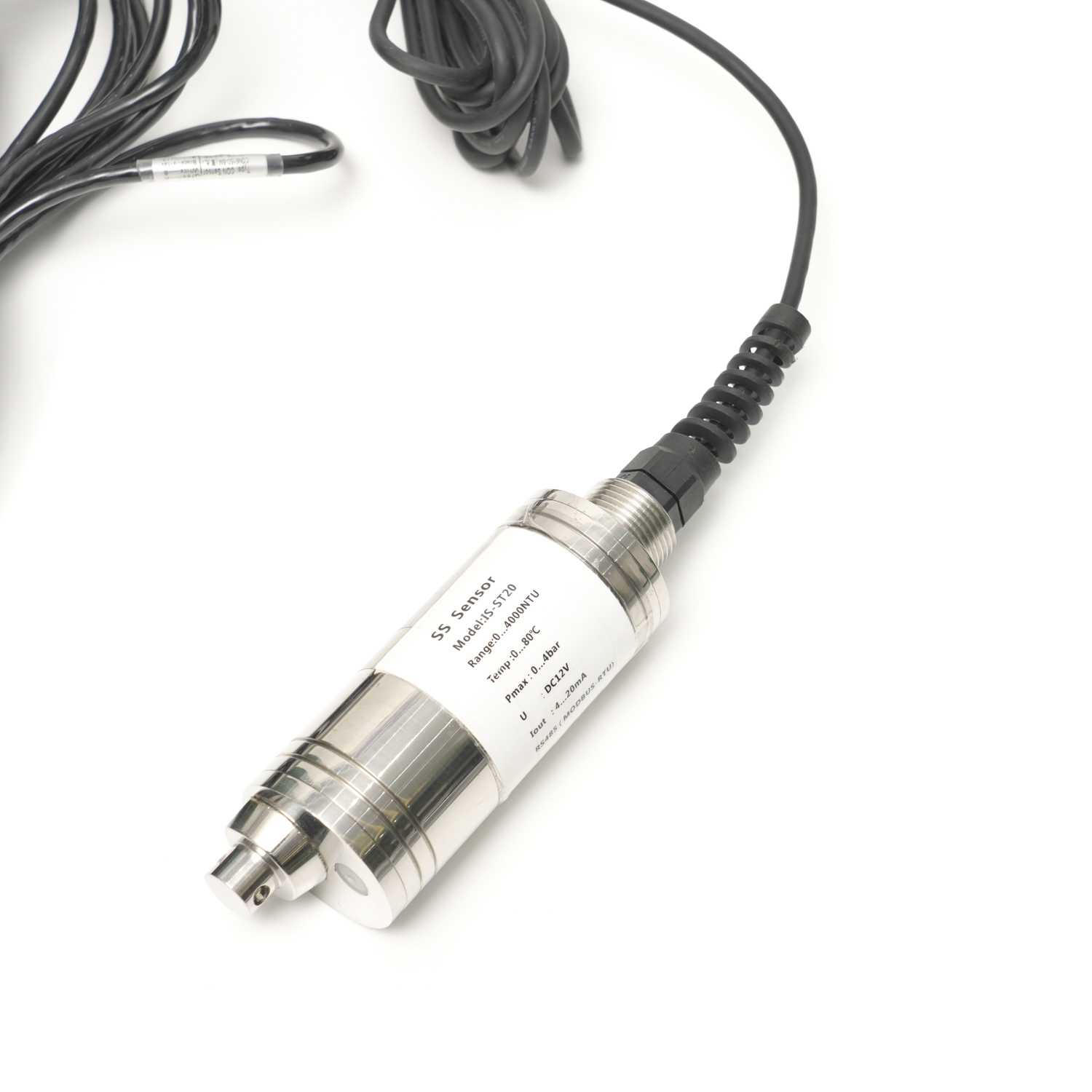
Herbalife total copper online analyzer adopts the technical route of chemical colorimetry (spectrophotometry), which is highly consistent with the national standard method to ensure the legal validity and traceability of monitoring data. The product utilizes imported core components and advanced manufacturing processes, ensuring excellent stability and measurement accuracy under prolonged continuous operation. At the intelligent level, the product supports 4-20mA current output and RS485-Modbus communication protocol, can provide mature data interaction scheme for accessing environmental protection supervision platform and intelligent water cloud platform, has large screen color screen human-computer interaction interface and remote monitoring function, and supports practical functions such as automatic calibration, slope correction and fault self-diagnosis.
Herbalife Smart Water’s headquarters is located in the High-Tech Industrial Development Zone of Zhuhai, Guangdong Province. The company boasts a team of seasoned technical professionals with many years of experience in industrial measurement and control, and has amassed extensive application expertise across a variety of specialized fields. The company's product matrix covers total copper, total chromium, total lead, total nickel, total zinc and other heavy metal online monitors, as well as a full range of water quality monitoring products such as pH online analyzers, turbidity sensors, residual chlorine/total chlorine analyzers, COD/TOC online analyzers, and water quality comprehensive toxicity online monitors. For electroplating parks, electronic manufacturing plants, municipal sewage treatment plants and smart water projects that require total copper monitoring and involve multi-parameter comprehensive monitoring such as pH, COD, turbidity, flow, etc., the integrated solution provided by Herbalife has strong synergy advantages. With a unified data platform, unified technical services and unified spare parts management, the system construction complexity and long-term operation and maintenance costs are effectively reduced, and a commitment to lifetime maintenance.
Advantage ScenariosElectroplating parks, electronic manufacturing enterprises, municipal sewage treatment plants and smart water overall construction projects that require total copper and multi-parameter collaborative monitoring.
5.2 Chongqing Qingtian Teke-Technology Accumulation of Specialized and Special New Enterprises
Chongqing Qingtian Teke Technology Co., Ltd. has been deeply engaged in the field of process automation for more than 16 years. Its water quality analysis product line covers the full scene requirements from single-parameter controllers to multi-parameter integrated systems, with independent research and development capabilities from core sensors to cloud data platforms.
The main CQQT-1005 type total copper water quality online analyzer adopts biscyclohexanone oxalohydrazide spectrophotometry (BCO method), providing 0-1/2/5 mg/L multi-range selection and automatic switching. Excellent performance of technical indicators: linearity error is controlled within 5%, repeatability is less than or equal to 3%, double optical path detection system calculates absorbance in real time, effectively eliminates ambient light interference, and ensures long-term measurement stability. The instrument has 4-20mA, RS485/RS232, RJ45 and other output interfaces, compatible with HJ 212 environmental data transmission standards, easy access to various monitoring platforms.
Advantage ScenariosElectroplating, electronic manufacturing and municipal wastewater treatment scenarios that require strict measurement accuracy and data compliance.
5.3 Shenzhen Longshi Scientific Instrument-Forerunner of Heavy Metal Monitoring Technology
Langshi Scientific Instruments is a recognized leader in heavy metal online monitoring technology in the field of water quality monitoring. It has mastered a variety of technical routes such as chemical colorimetry and anodic stripping voltammetry, and has a complete product range. The company is one of the top ten national heavy metal detection enterprises and a national water station construction equipment supplier. Its products are widely used in pollution sources, surface water, on-site emergency and other water quality monitoring fields, providing services for more than 1500 environmental monitoring stations and more than 2000 large and medium-sized enterprises.
朗石在重金属监测领域技术积淀深厚,尤其在多参数重金属协同监测和复杂水质条件适应方面具有独特技术优势。其总铜产品在电镀园区和工业废水综合处理项目中拥有丰富应用案例,全线产品拥有独立自主知识产权。
Advantage Scenarios:工业园区综合污水处理厂、电镀园区、环保监测站,尤其是需要同时监测多种重金属参数的复杂场景。
5.4 其他各具特色的国产品牌
除上述品牌外,国内总铜在线监测领域还有一批在特定方向具有优势的优质厂家。聚光科技(杭州)作为国内环保监测行业龙头,其SIA-3000系列重金属在线分析仪已通过环境监测总站适用性检测,在政府环保项目和大中型工业企业中占有重要市场地位。上海博取仪器、杭州米科、杭州联测自动化等品牌在各自的细分市场中以灵活的定制能力和贴近用户的区域服务网络占据一席之地。江苏天瑞仪器在光谱分析技术方面积累深厚,其水质在线分析仪在工业过程监控领域拥有一定用户群体。
六、选型核心核查清单
面对总铜在线监测仪的选型决策,建议用户围绕以下关键维度进行系统性评估。
在法规合规性方面,首要确认产品是否获得CCEP中国环境保护产品认证;对于排放口合规监测场景,应确认产品是否已通过中国环境监测总站的适用性检测并列入合格名录;核实仪器通讯协议是否符合HJ 212-2017环保数据传输标准,确保数据可无缝上传至监管平台。
在技术路线匹配方面,工业废水排放口(电镀、冶金、电子)优先选择化学比色法,方法成熟、数据法律效力强;地表水和饮用水源地等低浓度场景可优先考虑阳极溶出伏安法,以获得更高灵敏度和无试剂化运行优势。
在消解能力验证方面,对于含络合物较多的电镀和电子行业废水,务必核实仪器的消解温度和消解方式是否足以破坏铜氰、铜氨、铜-EDTA等络合物,要求厂家提供实际水样加标回收率数据和与实验室国标方法的比对报告。
在抗干扰与预处理方面,高盐度水体应确认仪器在目标盐度条件下的抗氯干扰浓度阈值;高浊度水体需评估预处理过滤模块的通径、反冲洗功能和堵塞容忍度;共存金属离子复杂的废水应要求厂家提供交叉干扰测试数据或针对性掩蔽方案。
在运维与总拥有成本方面,综合评估试剂年消耗量及废液处理费用、泵管和电极等耗材更换频率、本地售后服务的响应时效与备件供应及时性,以3-5年为周期进行全生命周期经济性比较。
七、康宝莱智慧水务总铜在线监测解决方案
广东康宝莱智慧水务有限公司以智慧水务的整体视角切入重金属在线监测领域,为涉铜企业和市政水务系统提供从单一参数监测到多参数协同管理的完整总铜在线监测解决方案。
康宝莱总铜在线分析仪采用成熟的分光光度法技术路线,与国标方法一致性高,监测数据具有明确的法律效力。产品采用进口核心元器件和先进生产工艺,在长期连续运行条件下保持优异的稳定性和测量精度。产品具备大屏幕彩屏人机交互界面和远程监控功能,支持自动校准、斜率修正和故障自诊断,4-20mA电流输出和RS485-Modbus通讯协议确保与环保监管平台和智慧水务系统的无缝对接。
康宝莱智慧水务产品矩阵涵盖总铜、总铬、总铅、总镍、总锌等重金属在线监测仪,以及pH在线分析仪、浊度传感器、余氯/总氯分析仪、COD/TOC在线分析仪、水质综合毒性在线监测仪等全系列水质监测产品,能够为电镀园区、电子制造工厂、冶金企业和市政水务系统构建从重金属到常规参数全覆盖的完整监测网络。所有产品共享统一的数据平台、技术服务和备件管理体系,帮助用户以更低的系统建设复杂度和长期运维成本实现全面的水质在线监测能力。
如贵单位正在规划或升级总铜在线监测系统,欢迎联系康宝莱技术团队进行一对一选型指导和个性化方案定制。
Herbalife Smart Water Guangdong Co., Ltd.
Mobile phone:13926998050
Phone:400-806-0756
Email:13926998050@163.com
Address: No. 40, Jinfeng West Road, National High-Tech Industrial Development Zone, Zhuhai City, Guangdong Province, China
Hot News
- 电磁流量计厂家如何选择?国内外十大品牌综合对比
- Buy flowmeter, first look at the site conditions! 2026 Depth Comparison of Domestic and Imported Brands of Electromagnetic Flowmeter Manufacturers
- 2026 domestic electromagnetic flow manufacturers recommended: top ten brands of intelligent flow meter recommended reasons
- How to choose imported flat electromagnetic flowmeter? How to choose micro-caliber, conventional flange and plug-in electromagnetic? Recommended by domestic high-quality manufacturers
- Four major brands of electromagnetic flowmeter hard core PK: Herbalife Water, Cloud Meter, E H, Cologne, who is more worthy of choice?
- November 2026 Top Ten Brands of Electromagnetic Flowmeter at Home and Abroad Ranking
- Recommended Top Ten Brands of Electromagnetic Flowmeter in 2026: Reference for Project Selection of Water Treatment, Sewage and Conductive Liquid
- TOP5 Manufacturer's Selection Guide for Food Sanitary Electromagnetic Flowmeter: Material and Connection Mode Check before Purchase
- Cost-effective chemical oxygen demand water quality online monitor manufacturers contact information
- How to choose the integrated electromagnetic water meter? Domestic high-quality manufacturers recommendation and selection guide



