




How to choose a water quality analyzer for agriculture and aquaculture?
2026-04-10 14:06:58
The core goal of agriculture and aquaculture is to ensure the safety of crop growth, the health of drinking water for livestock and poultry, and the survival and quality improvement of breeding organisms. It covers the entire process of farmland irrigation, drinking water for livestock and poultry breeding, and aquaculture (seedling, cultivation, and tail water discharge). It is directly related to the efficiency of agricultural production, the quality and safety of agricultural products and the ecological environment. Different from the stable compliance of municipal water affairs and the extreme working conditions of industrial scenes, agriculture and aquaculture scenes pay more attention to "simple operation, high cost performance, adaptation to outdoor/field working conditions, and accurate adaptation to planting and breeding requirements". As a core monitoring tool, the scientific nature of water quality analyzer directly affects planting and breeding efficiency, product quality, and even determines the success or failure of breeding, selection needs to fit the scene characteristics of agriculture and aquaculture and the actual operation ability of practitioners.
Based on the core demands of agriculture and aquaculture, combined with the three core sectors of farmland irrigation, livestock and poultry breeding and aquaculture, this paper disassemps the working condition characteristics and testing requirements of each subdivision scene, sorts out the core logic of selection, adaptation suggestions, core evaluation dimensions and key points of pit avoidance, and helps agricultural technicians, growers and farmers to accurately select suitable water quality analyzers to achieve the three goals of scientific cultivation, quality improvement and efficiency improvement, and environmental protection, promote the sustainable development of the agriculture and aquaculture industry.
Selection of core premise: clear the core needs of agriculture and aquaculture
For the selection of water quality analyzers in agriculture and aquaculture scenarios, it is necessary to clarify the three core requirements of "planting and breeding adaptation, convenient operation and controllable cost" to avoid blind selection leading to poor equipment adaptation, high operation difficulty and high operation and maintenance costs, and the core requirements focus on three dimensions:
1. Adaptation requirements for planting and breeding: farmland irrigation shall conform to the "Water Quality Standard for Farmland Irrigation" to avoid soil deterioration, crop burning or heavy metal enrichment caused by excessive water quality, and ensure the safety of agricultural products at the source; Drinking water for livestock and poultry breeding shall conform to the "Water Quality Standard for Drinking Water for Livestock and Poultry" to prevent livestock and poultry diseases caused by water quality problems; Aquaculture shall conform to the characteristics of breeding varieties, monitor core water quality indicators, at the same time, tailwater discharge shall meet the environmental protection requirements to avoid the risk of violation;
2. Requirements for working condition adaptation: The scenes are mostly outdoor fields and breeding ponds. The working conditions are complex and changeable, and are greatly affected by the natural environment (high temperature, rainstorm, sandstorm). The water body has high turbidity and many impurities, and it is mostly for on-site rapid detection. It requires high portability, waterproof and dust-proof, anti-interference ability of the equipment, and needs to be adapted to the outdoor environment without electricity and network;
3. Operation and cost requirements: Most users are growers and farmers, with limited professional and technical level, so they need to choose equipment with simple operation and no complicated pretreatment. At the same time, it takes into account the cost performance ratio, controls the initial investment and long-term operation and maintenance costs (such as reagent replacement and equipment calibration), avoids the waste of resources of high-end equipment, and adapts to the budget requirements of small and medium-sized farmers.
Detailed Guide to Selecting Core Sub-Scenarios for Agriculture and Aquaculture
Agriculture and aquaculture can be divided into "farmland irrigation water quality monitoring", "livestock and poultry breeding drinking water monitoring" and "aquaculture whole process monitoring" three major sections, covering six core sub-scenarios, each scene operating characteristics, testing requirements are quite different, selection logic needs to be adjusted, as follows:
The first plate: farmland irrigation water quality monitoring (to ensure crop growth, protect soil health)
The core of farmland irrigation water quality monitoring is "source control and precise adaptation", covering two major links of irrigation water source and field irrigation node, focusing on monitoring key indicators affecting crop growth and soil quality, so as to avoid crop reduction and soil pollution caused by inferior irrigation water.
Scenario 1: Irrigation water source monitoring (surface water, groundwater, reclaimed water)-source control to prevent pollution
### Scene Characteristics
灌溉水源多为地表水(河流、湖泊、沟渠)、地下水或再生水,工况受自然环境和人类活动影响大:地表水浊度、悬浮物波动大(暴雨期骤升),易受农业面源污染(化肥、农药残留)、生活污染影响,部分区域可能存在重金属超标;地下水水质相对稳定,但可能存在硬度、氟化物、重金属超标问题;再生水需重点监测污染物残留,避免二次污染;监测点位为水源取水口,需定期抽样检测,确保灌溉水源达标。
### Core Testing Requirements
Conventional indicators: pH, turbidity, conductivity, suspended solids, COD, ammonia nitrogen, total phosphorus, total nitrogen; Characteristic indicators: heavy metals (lead, arsenic, cadmium, to prevent soil enrichment), fluoride (groundwater irrigation scenario), pesticide residues (fruit and vegetable planting irrigation scenario), reclaimed water irrigation requires additional monitoring of residual chlorine and total dissolved solids.
### Selection Recommendations
1. Equipment type: give priority to portable multi-parameter water quality analyzer, suitable for outdoor multi-point sampling detection, small size, light weight, easy to carry to different water sources; Large planting bases can be matched with small online analyzers for long-term monitoring of fixed water sources and real-time warning of pollution risks;
2. Core performance: give priority to equipment that is resistant to high turbidity and impurity interference. The turbidity sensor uses scattered light method (range 0-500NTU), which can cope with high turbidity water quality during rainstorm. The heavy metal sensor uses anodic stripping voltammetry with a detection accuracy of ppb level, accurately captures low concentration heavy metal pollution, and adapts to the safety monitoring requirements of agricultural products;
3. Adaptation of operation and environment: Select equipment with simple operation and no complicated pretreatment, built-in video guidance or simple operation interface, and ordinary growers can get started after short-term training; Outdoor equipment must have waterproof and dustproof capability (protection grade IP65 or above), support emergency charging of charging treasure, adapt to non-electric field environment, and have anti-ultraviolet capability to avoid outdoor exposure to damage to equipment.
场景二:田间灌溉节点监测(大田、果蔬大棚、果园)—— 过程管控,适配作物需求
### Scene Characteristics
田间灌溉节点涵盖大田灌溉、大棚滴灌、果园喷灌等,工况相对复杂:灌溉水经输送后可能混入土壤杂质、农药残留,浊度波动较大;核心需求是监测灌溉水水质变化,根据作物品种调整水质,避免因水质问题导致作物烧苗、病害,确保灌溉水质适配作物生长需求;监测频次根据作物生长期调整,需现场快速检测。
### Core Testing Requirements
通用指标:pH、电导率、浊度、悬浮物;作物专属指标:果蔬大棚需监测农药残留、重金属,大田作物需监测氨氮、总磷(防范土壤富营养化),盐碱地灌溉需监测电导率、硬度(防范土壤盐碱化)。
### Selection Recommendations
1. 设备类型:优先选择便携式快检仪,体积小巧、操作简便,可快速完成检测(常规指标检测时间≤30分钟),适配田间现场检测需求,无需专业人员操作;
2. 精度与针对性:选择精度适中、针对性强的设备,无需盲目追求高端精度,重点满足作物生长所需水质指标的检测需求,如盐碱地场景优先选择高量程电导率传感器(量程0-20000μS/cm);
3. 运维便捷性:选择免频繁校准、试剂易购买且保存周期长的设备,减少运维成本,适配种植户的实际运维能力,同时设备需具备数据存储功能,便于记录不同生长期的灌溉水质数据,为后续种植调整提供参考。
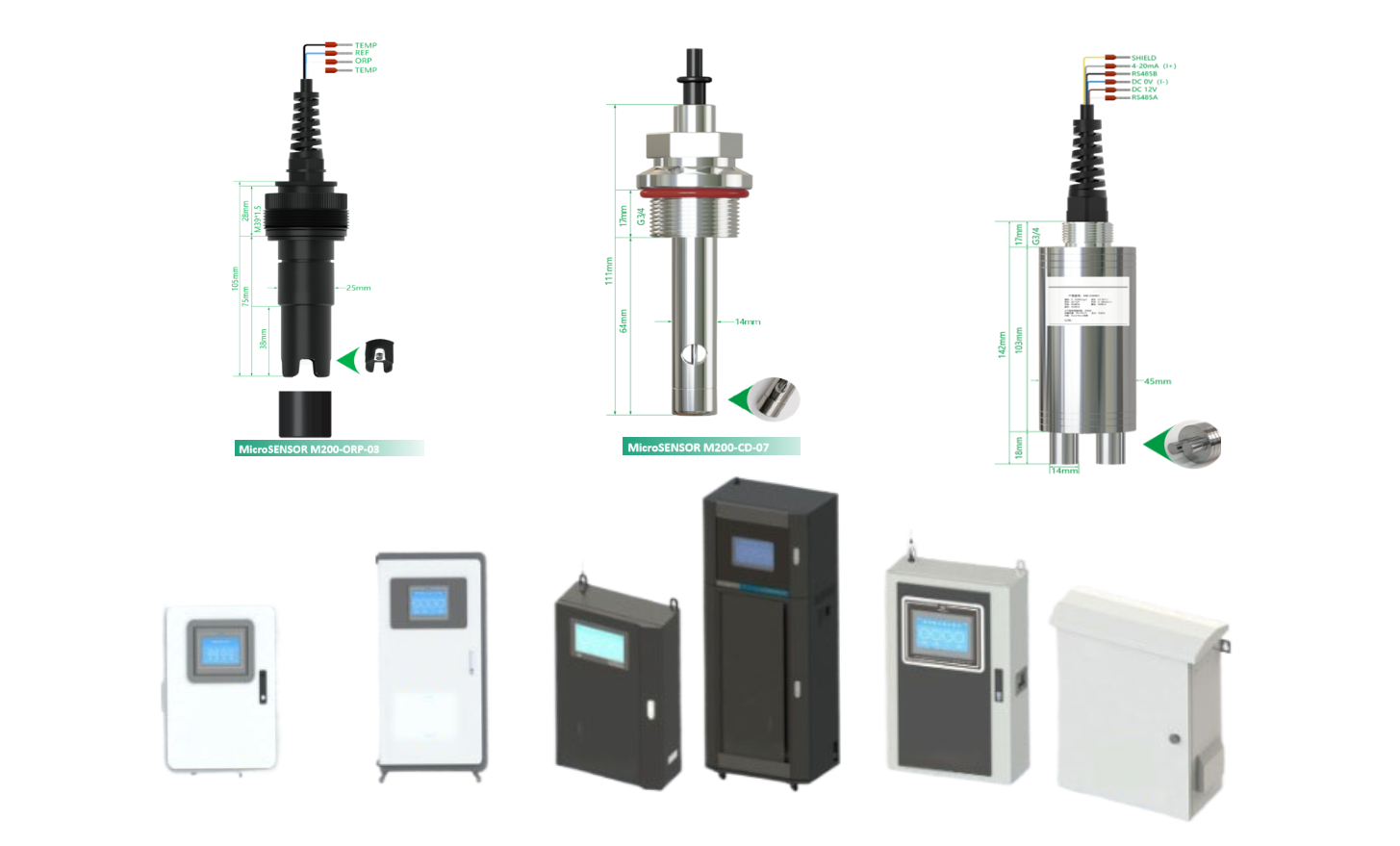
第二板块:畜禽养殖饮水监测(保障畜禽健康,提升养殖效益)
畜禽养殖饮水监测的核心是“安全达标、预防病害”,涵盖饮水水源、饮水输送、饮水终端三大环节,重点监测影响畜禽代谢、免疫力的关键指标,避免饮水污染导致的畜禽病害、生长缓慢,保障畜禽产品质量安全。
场景三:畜禽养殖饮水监测(猪场、鸡场、牛场)—— 全程把关,防范病害
### Scene Characteristics
畜禽养殖饮水来源多为地下水、自来水或净化水,工况相对稳定,但饮水输送过程中可能因管道锈蚀、储水设备污染导致水质下降,如微生物滋生、重金属超标;核心需求是监测饮水水质,确保符合畜禽饮用水标准,预防因饮水问题引发的肠道疾病、传染病,监测点位为水源取水口、储水罐、饮水终端,需定期抽样检测。
### Core Testing Requirements
必测指标:pH、浊度、溶解氧、微生物(菌落总数、大肠菌群)、重金属(铅、砷、镉);特色指标:猪场需监测氨氮(防范饮水变质)、鸡场需监测余氯(消毒后饮水)、牛场需监测硬度(防范结石病)。
### Selection Recommendations
1. 设备类型:优先选择便携式快检仪,操作简单、检测速度快,适配养殖场多点位抽样检测,养殖场工作人员均可上手操作;大型规模化养殖场可在储水罐、饮水终端安装小型在线式分析仪,实时监测水质变化,及时预警污染风险;
2. 核心性能:选择抗杂质、抗微生物干扰的设备,微生物检测需快速准确,避免因检测滞后导致畜禽饮用污染水;重金属检测精度需符合畜禽饮用水标准,确保畜禽产品质量安全;
3. 环境适配:养殖场环境多为高温、高湿度,设备需具备防水防尘、抗高温能力(工作温度-10℃~60℃),避免因环境因素导致设备故障;同时选择易清洁的设备,避免畜禽粪便、灰尘污染传感器探头。
第三板块:水产养殖全流程监测(保障养殖生物存活,实现提质增效)
水产养殖全流程监测的核心是“实时调控、预防死亡”,涵盖育苗、养成、尾水排放三大环节,重点监测影响养殖生物存活、生长的核心指标,避免水质恶化导致的养殖生物浮头、死亡,同时确保尾水排放达标,规避环保风险,是三大板块中对水质监测要求最高、最频繁的场景。
场景四:水产育苗监测(鱼虾蟹育苗池)—— 精准管控,提高成活率
### Scene Characteristics
水产育苗场景工况要求严苛,育苗池水体体积小、水质波动大,养殖生物幼苗抵抗力弱,对水质指标精度要求高,轻微水质异常即可导致幼苗大面积死亡;核心需求是实时监测水质变化,精准调控水质参数,为幼苗生长提供适宜环境;监测频次高,需每天多次检测,部分场景需24小时连续监测。
### Core Testing Requirements
核心指标:溶解氧、pH、温度、氨氮、亚硝酸盐,这五项是保障幼苗存活的“生命线参数”,直接影响幼苗的呼吸、代谢和免疫力;部分育苗场景需监测浊度、盐度(海水育苗)、微生物,防范病害发生。
### Selection Recommendations
1. 设备类型:优先选择在线式多参数水质分析仪,支持24小时连续监测,实时反馈水质变化,可联动增氧机、换水设备,当溶解氧不足、氨氮超标时自动触发预警,及时调控水质,减少人工干预;搭配便携式分析仪,用于育苗池不同点位抽样检测、设备校准,提升监测可靠性;
2. 核心性能:选择精度高、稳定性强的设备,溶解氧传感器优先选用荧光法,无需耗氧、响应更快、基本免维护,且不易受水体流速和化学物质干扰,检测精度≤0.1mg/L;pH传感器选用具备自动温度补偿和防污电极的型号,应对育苗池昼夜温差和杂质附着的影响;氨氮传感器可选用荧光法,提高灵敏度和抗干扰能力;
3. 环境适配:育苗池多为室内或半露天,设备需具备防水防尘能力(防护等级IP67以上),传感器探头需具备防生物附着涂层,避免藻类、杂质堵塞探头,减少运维工作量;同时支持数据存储、导出,便于记录育苗期间水质变化,优化育苗方案。
场景五:水产养成监测(鱼虾蟹养成塘、稻渔综合种养)—— 动态调控,提质增效
### Scene Characteristics
水产养成场景工况复杂多变,养成塘水体体积大,受自然环境(高温、暴雨、光照)影响大,水质波动明显,养殖生物密度高,残饵、排泄物易导致水质恶化(氨氮、亚硝酸盐超标);核心需求是动态监测水质变化,及时调整投喂量、换水频率、增氧时间,预防养殖生物病害和死亡,提升养殖产量和品质;监测频次为每天1-2次,高温、暴雨等特殊时期需增加监测频次。
### Core Testing Requirements
核心指标:溶解氧、pH、温度、氨氮、亚硝酸盐、浊度,海水养殖需额外监测盐度、硫化物(防范养殖生物中毒);稻渔综合种养场景需监测COD、总磷、总氮,避免水质污染稻田。
### Selection Recommendations
1. 设备类型:中小规模养殖户优先选择便携式多参数分析仪,操作简单、性价比高,可满足日常监测需求;大规模养殖基地可选择在线式分析仪,安装在养殖塘关键点位,实时监测水质变化,联动增氧机、投饵设备,实现精准调控;
2. 核心性能:选择抗高浊、抗有机物干扰的设备,浊度传感器选用高量程(0-500NTU),适配养殖塘高浊度工况;氨氮、亚硝酸盐传感器需具备抗干扰能力,避免残饵、排泄物影响检测精度,其中亚硝酸盐可采用多传感器融合的预测系统,通过监测溶解氧、温度、pH等易测参数,实时预测其浓度变化;
3. 操作与运维:选择操作简易、校准便捷的设备,养殖户无需专业技术即可上手;设备需具备防水、抗摔能力,适配户外塘口恶劣环境,传感器探头易清洁,减少藻类、淤泥附着,降低运维成本;同时支持电池供电,续航≥8小时,适配塘口无电环境。
场景六:水产养殖尾水排放监测(养殖塘尾水口)—— 合规排放,守护生态
### Scene Characteristics
水产养殖尾水排放直接关系生态环境,工况相对稳定(经沉淀、净化后,水质杂质减少),核心需求是监测尾水排放指标,确保符合《淡水养殖尾水排放要求》《海水养殖尾水排放要求》,规避环保违规风险;监测点位为尾水口,需定期监测,部分地区要求实时监测、数据可上报。
### Core Testing Requirements
必测指标:pH、COD、氨氮、总磷、总氮、悬浮物,海水养殖尾水需额外监测盐度、硫化物;部分地区需监测溶解氧、浊度,确保排放尾水不对周边水体造成污染。
### Selection Recommendations
1. 合规性:优先选择通过国家计量认证、符合水产养殖尾水监测标准的设备,检测数据可存储、导出,部分地区需支持对接当地环保监管平台,满足合规上报需求;
2. 设备类型:小规模养殖户选择便携式分析仪,定期抽样检测尾水水质;大规模养殖基地选择在线式分析仪,实时监测尾水排放指标,及时调整尾水净化方案,确保排放达标;
3. 核心性能:选择精度高、稳定性强的设备,常规指标检测精度符合国标要求,避免因数据偏差导致环保违规;设备需具备抗干扰能力,适配尾水净化后残留的有机物、杂质干扰,确保检测数据精准。
农业与水产养殖水质分析仪选型核心评估维度
无论何种细分场景,选型时需重点评估5大核心维度,确保设备适配农业与水产养殖场景特点、满足种养需求、适配使用者操作能力,避免选型失误:
1. 操作便捷性:优先选择操作简单、无需复杂预处理、界面直观的设备,适配种植户、养殖户的专业技术水平,最好具备视频引导、一键检测功能,减少操作难度;
2. 场景适配性:户外场景需选择防水防尘、抗高温、抗紫外线的设备,防护等级不低于IP65,支持电池供电,适配无电无网环境;水产养殖场景需选择防生物附着、易清洁的传感器,避免藻类、淤泥堵塞;
3. 检测精度与针对性:根据种养品种需求选择设备,重点覆盖核心指标,无需盲目追求高端精度,确保检测数据满足种养需求和合规要求,如水产育苗需高精度溶解氧、氨氮传感器,农田灌溉需针对性监测重金属、农药残留;
4. 性价比与运维成本:兼顾设备初期投入与长期运维成本,优先选择性价比高、试剂易购买、校准便捷的设备,避免高端设备的资源浪费,适配中小规模种养户的预算需求;
5. 稳定性与售后:选择稳定性强、故障率低的设备,尤其是水产养殖在线式设备,需支持24小时连续运行,避免因设备故障导致监测中断;同时选择售后响应快、技术支持完善的品牌,确保设备故障时可快速维修、校准,提供技术指导。
Key points of type selection and pit avoidance (focus on avoiding 3 common misunderstandings)
1. 不盲目追求高端设备:中小规模种养户无需选择科研级高精度、多功能设备,选择适配自身种养场景、操作简单、性价比高的设备即可,避免资源浪费和操作难度过高;
2. 不忽视操作难度:避免选择操作复杂、需要专业技术人员操作的设备,否则会导致设备闲置、检测数据失真,优先选择“一键检测、直观显示”的便携式设备;
3. 不忽视环境适配:避免将室内设备用于户外田间、塘口监测,或用淡水监测设备用于海水养殖场景,导致设备损坏、检测数据偏差,需根据场景特点选择具备相应防护、防腐、抗干扰能力的设备。
Summary
农业与水产养殖场景下,水质分析仪的选型核心是“操作便捷、场景适配、性价比高、精准实用”,无需盲目追求高端设备,关键是结合农田灌溉、畜禽养殖、水产养殖三大核心板块的细分场景特点,聚焦操作便捷性、场景适配性、检测针对性三大核心,针对性选择设备。
农田灌溉场景优先兼顾针对性与便携性,确保灌溉水质适配作物生长;畜禽养殖场景重点突出安全达标与操作简易,防范饮水污染引发病害;水产养殖场景注重精度与稳定性,尤其是育苗和养成环节,需实时调控水质,避免养殖生物死亡。同时规避常见选型误区,结合核心评估维度综合判断,才能让水质分析仪真正发挥“科学种养、提质增效”的作用,助力农业与水产养殖行业实现绿色、高效、可持续发展。
such aswant to knowMore information about flow meters orSelection of Water Quality Analyzers, can be consultedHerbalifeWater Quality AnalyzermanufacturerTechnical customer service:139 2699 8050(WeChat number is the same)Get help.
Hot News
- 电磁流量计厂家如何选择?国内外十大品牌综合对比
- Buy flowmeter, first look at the site conditions! 2026 Depth Comparison of Domestic and Imported Brands of Electromagnetic Flowmeter Manufacturers
- 2026 domestic electromagnetic flow manufacturers recommended: top ten brands of intelligent flow meter recommended reasons
- How to choose imported flat electromagnetic flowmeter? How to choose micro-caliber, conventional flange and plug-in electromagnetic? Recommended by domestic high-quality manufacturers
- Four major brands of electromagnetic flowmeter hard core PK: Herbalife Water, Cloud Meter, E H, Cologne, who is more worthy of choice?
- November 2026 Top Ten Brands of Electromagnetic Flowmeter at Home and Abroad Ranking
- Recommended Top Ten Brands of Electromagnetic Flowmeter in 2026: Reference for Project Selection of Water Treatment, Sewage and Conductive Liquid
- TOP5 Manufacturer's Selection Guide for Food Sanitary Electromagnetic Flowmeter: Material and Connection Mode Check before Purchase
- Cost-effective chemical oxygen demand water quality online monitor manufacturers contact information
- How to choose the integrated electromagnetic water meter? Domestic high-quality manufacturers recommendation and selection guide



