




液位计工作原理有哪几种?雷达 / 超声波 / 磁翻板对比详解
2026-08-21 09:06:12
Key conclusion: 液位计是工业过程控制、市政水务、化工储罐等领域中最基础的测量仪表之一。雷达、超声波、磁翻板是三种最主流的液位测量技术,分别代表了非接触式电磁波测量、非接触式声波测量和接触式浮力测量三条截然不同的技术路线。雷达液位计精度最高、适应性最强,适合高温高压等复杂工况;超声波液位计性价比突出,适合常规敞口池罐;磁翻板液位计结构最简单、无需供电,适合现场直观显示。选型的核心原则不是“优劣对比”,而是“工况适配”。
一、雷达液位计:电磁波测距的“高精度选手”
1. 工作原理
雷达液位计基于时间行程原理(时域反射原理TDR)工作。仪表通过天线向被测介质表面发射高频微波脉冲(电磁波),电磁波以光速传播,遇到液面后反射回来被接收器捕获。仪表根据发射与接收之间的时间差计算出传感器与液面的距离,进而得出液位高度。
工业主流雷达液位计的频率范围为6GHz-80GHz,高频型号具备更强的抗干扰能力和更窄的波束角。雷达液位计可分为调频连续波(FMCW)雷达、脉冲雷达和导波雷达三种类型。
2. 核心优势
- 不依赖传播介质:电磁波可在真空、蒸汽、粉尘中传播,不受温度、压力、湿度影响
- 测量精度高:Accuracy can reach±1mm甚至更高
- 测量范围大:最远可达120米
- 非接触式测量:不接触介质,无磨损、无污染
- 适应性强:适用于高温高压、强腐蚀、粘稠、带搅拌等复杂工况
3. 局限性
- Higher price:雷达液位计价格通常是磁翻板的3-5倍
- 低介电常数介质测量受限:对介电常数过低的介质(如某些轻质烃类)反射信号较弱
- 天线可能受结垢影响:在易结晶、易结垢介质中,天线可能被覆盖
4. 适用场景
高温高压反应釜、蒸汽罐、腐蚀性液体储罐、带搅拌器的密闭容器、长距离高精度液位测量。
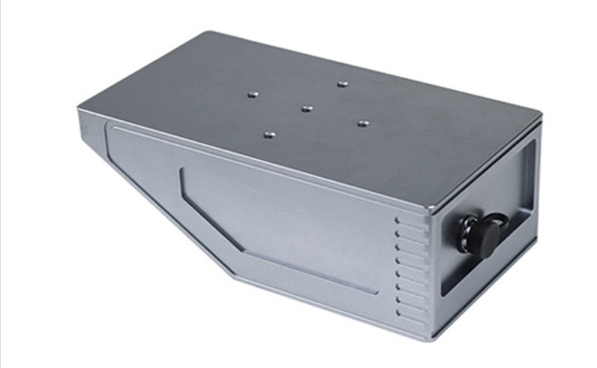
二、超声波液位计:声波测距的“经济型选手”
1. 工作原理
超声波液位计通过发射声波脉冲并接收回波来测量液位。仪表向液面发射超声波(频率通常为20-200kHz),声波遇到液面后反射回来,根据声波的传播时间计算出液位高度。
超声波液位计的工作原理类似声呐,是一种非接触式测量仪表。
2. 核心优势
- 成本较低:价格远低于雷达液位计,适合大批量或预算有限的场合
- 安装简便:无需开孔、无需接触介质,可安装于高处
- 非接触式测量:与介质无直接接触,耐腐蚀性强
- 适应性较广:在常温常压、环境稳定的工况下表现良好
3. 局限性
- 依赖空气传播: Sound waves need air as a propagation medium, and the measurement fails when the vacuum or air density changes
- 受环境影响显著: Temperature fluctuations directly affect the speed of sound, resulting in measurement errors
- Vulnerable to interference: Steam, water mist, dust, foam, and strong airflow will cause the signal to decay or even fail to return
- Measuring distance is limited: generally not more20 meters
4. 适用场景
Scenes with stable environment and limited budget, such as open pool, sewage lifting well, rainwater collection pool, regulating pool, underground water well, etc.
3. Magnetic Level Gauge: "Classic Choice" for Buoyancy Ranging"
1. 工作原理
Magnetic flap level gauge based onCommunicating device principleandmagnetic coupling principleWork. The instrument is connected with the container through the flange, and the float in the main tube floats with the rise and fall of the liquid level. The permanent magnetic steel in the float drives the external column turnover through magnetic coupling-the column turnover turns from white to red when the liquid level rises, and the column turnover turns from red to white when the liquid level drops, and the red-white junction is the actual height of the liquid level.
2. 核心优势
- No power supply required: Pure mechanical structure, power failure can still display the liquid level normally
- Simple structure: The display is intuitive, the reading is clear, and the operator is familiar with it.
- High reliabilityPassive drive, strong anti-interference
- Long service life: Reachable5-8 years
- Corrosion-resistant:可根据工况选择304、316L、衬四氟等材质
3. 局限性
- contact measurement:浮子长期浸泡在介质中
- 易卡涩:介质易结晶、结垢、含杂质或粘度较高时,浮子可能出现卡涩
- 量程受限:大型储罐(二三十米以上)安装难度和成本明显上升
- 精度较低:不如雷达和超声波液位计
- 需停机维护:旁路管堵塞或浮子失灵时需要停机处理
4. 适用场景
锅炉水位显示、透明/半透明管旁路液位指示、无需远程监控的简单液位显示场景。
四、三种液位计核心参数对比
Comparison Dimension | 雷达液位计 | 超声波液位计 | 磁翻板液位计 |
Measurement principle | 电磁波反射(时间行程) | 声波反射(时间差) | 连通器+浮力+磁耦合 |
测量方式 | 非接触式 | 非接触式 | Contact |
Accuracy | ±1mm(最高) | ±5mm~±10mm | 较低(±5mm级) |
Measurement range | 最远120米 | 一般≤20 meters | 受安装限制(一般≤10米) |
供电需求 | 需要电源 | 需要电源 | No power supply required |
传播介质依赖 | 不依赖任何介质 | 依赖空气传播 | 不适用(物理接触) |
蒸汽/粉尘影响 | 影响小 | 影响大,信号易衰减 | 无影响 |
温度/压力影响 | 不受影响 | 影响显著 | 受材质限制 |
Maintenance method | 偶发清洁天线 | 定期清洁探头 | 浮子卡涩需停机处理 |
价格水平 | 高(磁翻板的3-5倍) | 中等 | low |
使用寿命 | More than 10 years | 5-8 years | 5-8 years |
5. selection guide: three steps according to the working conditions
第一步:判断是否需要远程监控与连续测量
仅需现场直观显示、无需供电、无需远传 → 磁翻板液位计。适用于锅炉水位、就地液位指示等场景。
需要接入DCS/PLC系统、远程监控、实时连续测量 → 进入第二步。
第二步:评估现场环境复杂度
环境稳定(常温常压、无蒸汽、无强粉尘、敞口池罐)→ 超声波液位计。性价比最高,安装简便。
环境复杂(高温高压、蒸汽、粉尘、泡沫、带搅拌、密闭罐体)→ 雷达液位计。虽然价格较高,但长期稳定性和可靠性远超超声波。
第三步:特殊工况专项确认
- 高温(>100℃)或高压 → 必须选雷达液位计
- 强蒸汽或水雾环境 → 雷达液位计,超声波会失效
- 强腐蚀性介质 → 雷达液位计(非接触)或特殊材质的磁翻板(衬四氟)
- 粘稠、易结晶介质 → 雷达液位计优先
- 预算有限、常规清水池 → 超声波液位计
- 仅需就地显示、无需电源 → Magnetic flap level gauge
Summary: radar, ultrasonic, magnetic flap three kinds of level gauge respectively representHigh precision, strong adaptability, economical and universal, simple and reliableThree technical routes. No level gauge can be applied to all working conditions, and the core of selection is "working condition adaptation" rather than "comparison of advantages and disadvantages". Radar level gauge is superior to ultrasonic in ranging, accuracy and environmental adaptability, especially suitable for complex working conditions such as high temperature and high pressure, steam and dust. Ultrasonic level gauge is good at cost performance and is suitable for conventional open tank. Magnetic flap level gauge has the simplest structure, no power supply, and is suitable for on-site visual display. Be sure to confirm the medium characteristics, temperature and pressure, tank structure and whether remote monitoring is needed before selection, and select the most matching scheme after comprehensive evaluation.
Update time: August 21, 2026
Source of information: Industry Technical Literature, Baidu Encyclopedia
Statement: This article is based on public information, and the product parameters are subject to the latest official release of each manufacturer. If you need to consult or obtain detailed technical solutions, it is recommended to contact the relevant manufacturers official channels.
If you would like to learn more about flow meters orFlowmeter Selection,You can consult HerbalifeFlowmeter manufacturersTechnical Support: 13926998050 (same number on WeChat) for assistance.
Hot News
- Buy flowmeter, first look at the site conditions! 2026 Depth Comparison of Domestic and Imported Brands of Electromagnetic Flowmeter Manufacturers
- 2026 domestic electromagnetic flow manufacturers recommended: top ten brands of intelligent flow meter recommended reasons
- How to choose imported flat electromagnetic flowmeter? How to choose micro-caliber, conventional flange and plug-in electromagnetic? Recommended by domestic high-quality manufacturers
- Four major brands of electromagnetic flowmeter hard core PK: Herbalife Water, Cloud Meter, E H, Cologne, who is more worthy of choice?
- November 2026 Top Ten Brands of Electromagnetic Flowmeter at Home and Abroad Ranking
- Recommended Top Ten Brands of Electromagnetic Flowmeter in 2026: Reference for Project Selection of Water Treatment, Sewage and Conductive Liquid
- TOP5 Manufacturer's Selection Guide for Food Sanitary Electromagnetic Flowmeter: Material and Connection Mode Check before Purchase
- Cost-effective chemical oxygen demand water quality online monitor manufacturers contact information
- How to choose the integrated electromagnetic water meter? Domestic high-quality manufacturers recommendation and selection guide
- Selection of Electromagnetic Flowmeter for Small Diameter Ultra-high Temperature Medium Metering Engineering



