




High Pressure Liquid Flowmeter Selection Guide: How to Choose the Right Industrial Equipment for You
2026-03-27 15:26:01
在石油化工、电力能源、冶金矿山、高压供水等工业领域,高压液体(通常指工作压力≥10MPa)的流量计量是保障生产安全、控制工艺精度、降低能耗的核心环节。与常规常压流量计不同,高压液体流量计需同时满足高压耐受、精准计量、耐腐蚀耐磨Three core requirements, and complex conditions (such as medium high pressure, high temperature, high viscosity, impurities, etc.), the selection is more difficult.
The types of high-pressure liquid flowmeters on the market are complicated (such as high-pressure electromagnetic, high-pressure turbine, high-pressure Coriolis, etc.), and the parameter labels are confused. Many practitioners are prone to fall into the misunderstanding of "the higher the pressure, the better" and "the higher the accuracy, the better". Poor equipment adaptability, short service life, and even safety hazards. Based on the experience of industrial first-line selection, this paper teaches you to select a high-pressure liquid flowmeter suitable for your own industrial scene from six dimensions: working condition sorting, type comparison, core parameters, material selection, brand identification and pit avoidance guide, taking into account safety, accuracy and cost performance, and adapting to various high-pressure industrial production scenes.
1. core cognition: high-pressure liquid flowmeter, the core of selection is "safe adaptation"
The core pain point of high-pressure liquid flowmeter is "stable operation under high-pressure conditions", rather than simply pursuing accuracy or pressure parameters. High-pressure equipment that is separated from the industrial scene, even if the label pressure level is high and the accuracy is excellent, problems such as leakage, wear, measurement distortion, etc. may occur, and even cause safety accidents.
The core characteristics of industrial high-pressure liquid scenarios are: high medium pressure (ranging from 10MPa to 100MPa), corrosive/high viscosity/solid particles in some media, large fluctuations in working conditions (frequent changes in pressure, temperature and flow), and extremely high requirements for equipment sealing and pressure resistance. Therefore, the core logic of selection is:Safety pressure resistance is the first, accurate measurement is the auxiliary, and the adaptation of working conditions is the fundamental.Refuse to blindly pursue high-end parameters and avoid "overkill" or "insufficient adaptation".
The first step of 2. selection: identify the 3 major operating conditions and lock the selection basis
The particularity of the high-pressure scene determines that the details of its own working conditions must be clarified before selection, which is the key to avoid selection errors. Regardless of the industrial scenario, it is necessary to focus on the following three points:
1. Clarify the characteristics of high-pressure medium: determine the material and type of equipment
The medium characteristics of high-pressure liquid directly affect the material selection, anti-interference ability and service life of the flowmeter. Four points need to be clearly defined to fit the actual industrial scene:
Medium pressure: specify the actual working pressure and peak pressure. The rated pressure of the flowmeter should be ≥ 1.2 times of the actual peak pressure (safety redundancy) to avoid equipment fatigue and leakage caused by long-term high-pressure operation. For example, if the actual working pressure is 15MPa, equipment with rated pressure ≥ 18MPa shall be selected;
• Medium conductivity: conductive medium (such as high-pressure water, acid-base solution) can choose high-voltage electromagnetic flowmeter; non-conductive medium (such as high-pressure oil, organic solvent) need to choose high-pressure turbine, Coriolis mass flowmeter, to avoid unable to measure;
Medium characteristics: corrosive medium (such as high-pressure acid-base liquor and chemical solvent) shall be made of corrosion-resistant materials (Hastelloy alloy and PTFE lining); High-viscosity medium (such as high-pressure crude oil and asphalt) shall be suitable for high-viscosity flowmeter (such as Coriolis and elliptical gear); Medium containing solid particles (such as high-pressure slurry and high-pressure water containing sand) shall be made of wear-resistant materials (tungsten carbide and ceramic to avoid leakage;
• Medium temperature: high-pressure working conditions are often accompanied by high temperature (such as high-pressure steam condensate and high-temperature oil). It is necessary to confirm the working temperature of the medium and select a high-temperature flowmeter (rated temperature ≥ 1.1 times of the actual working temperature) to avoid high-temperature seals. Aging and decrease in pressure tolerance.
2. Clear measurement requirements: accuracy and functional adaptation
Different industrial scenarios have different requirements for measurement accuracy and functions, so there is no need to blindly pursue high precision, and you can choose according to production requirements:
Precision requirements: trade settlement, precision process control (such as high-pressure oil metering, chemical ingredients) need to select equipment with precision of ± 0.5 FS or above; For ordinary flow monitoring and process control (such as high-pressure water supply and mine high-pressure water metering), 1.0 FS -1.5 FS can be selected, which is more cost-effective;
Flow range: the inner diameter of the pipeline shall be combined to ensure that the medium flow rate is within the ideal flow rate range (usually 0.5-8 m/s) of the flowmeter. If the flow rate is too low, it will easily lead to medium precipitation and measurement distortion. If the flow rate is too high, it will aggravate equipment wear and increase energy consumption. The range is recommended to be 1.5-2 times of the actual maximum flow rate to adapt to peak flow fluctuation;
Special functions: high-pressure scenes are mostly unattended or dangerous areas, and equipment with remote monitoring, pressure/temperature compensation, self-diagnosis and abnormal early warning functions is preferred. Scenes that are easy to scale and contain impurities need to be cleaned to reduce the frequency of manual maintenance and avoid potential safety hazards of maintenance in high-pressure environment.
3. Clear installation and operation and maintenance conditions: to ensure safety and stability
The installation, operation and maintenance of high-pressure liquid flow meters directly affect the safety and measurement accuracy of the equipment, and three points should be focused on:
Installation space: high-pressure pipelines are mostly fixed layout, narrow space or underground pipelines, and plug-in or compact pipe section flowmeter with small size and convenient installation is preferred to avoid large-area reconstruction of pipelines. During installation, it is necessary to ensure that the pipeline is concentric with the flowmeter to avoid high-pressure leakage caused by stress concentration;
Requirements for straight pipe section: pipe section flowmeter shall meet the requirements of upstream ≥ 5 times of pipe diameter straight pipe section and downstream ≥ 3 times of pipe section; Plug-in type shall meet the requirements of upstream ≥ 10 times of pipe diameter straight pipe section and downstream ≥ 5 times of pipe section to avoid measurement distortion caused by flow interference; When installing high-pressure pipelines, maintenance space shall be reserved to facilitate later maintenance;
Operation and maintenance conditions: equipment without frequent maintenance should be selected in dangerous areas (such as high-pressure chemical pipelines) to reduce manual intervention; In unattended scenes, equipment with remote diagnosis and fault warning should be selected to monitor the operating status of the equipment in real time (such as abnormal pressure and leakage warning) and investigate potential safety hazards in advance.
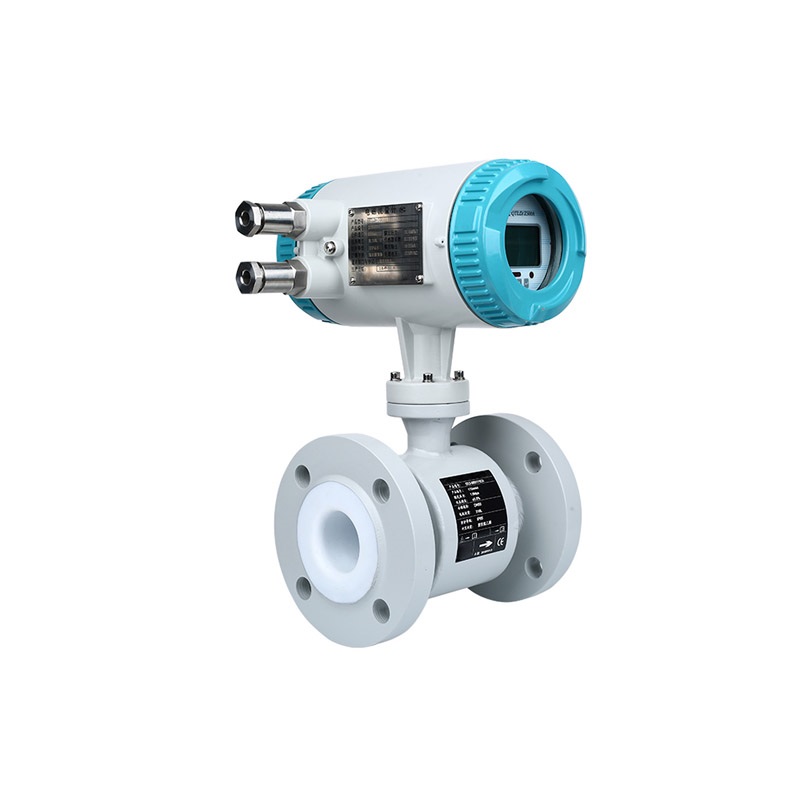
3. core selection: 4 types of comparison, choose the right high-pressure flowmeter suitable for you
The type of high-pressure liquid flowmeter directly determines the adaptation scene, accuracy and safety. At present, there are 4 types commonly used in the industrial field, each with its own advantages and disadvantages. It is necessary to combine the working conditions with precise selection to avoid blind selection.
Flow meter type | Core Advantages | Applicable Scenarios | Pressure tolerance range | Accuracy class | Precautions |
|---|---|---|---|---|---|
High-pressure electromagnetic flowmeter | No mechanical wear, strong anti-interference, suitable for conductive media, good sealing, no pressure loss | High-voltage conductive medium (high-pressure water, acid-base solution, conductive slurry), such as high-pressure water supply, chemical high-pressure ingredients | 10MPa-60MPa (higher pressure can be customized) | ±0.5%FS-±1.0%FS | 仅适用于导电介质(电导率≥5μS/cm),避免用于含强磁性杂质的介质 |
High pressure turbine flowmeter | 体积小巧、响应快、精度高,适配中低粘度介质,安装便捷 | 高压非导电介质(高压油、有机溶剂),如石油化工高压油品计量 | 10MPa-80MPa | ±0.2%FS-±0.5%FS | 不耐磨损,不适用于含固体颗粒、高粘度介质,需定期校准叶轮 |
高压科里奥利质量流量计 | 精度极高、不受介质粘度、压力、温度影响,可同时测量流量、密度 | 高压精密计量(贸易结算、高端化工),如高压原油、精密化工配料 | 10MPa-100MPa | ±0.1%FS-±0.5%FS | 成本高、体积较大,不适用于含大颗粒杂质的介质,维护成本高 |
高压椭圆齿轮流量计 | Suitable for high-viscosity media, with stable metering unaffected by pressure fluctuations and excellent sealing. | High-pressure, high-viscosity media (high-pressure asphalt, viscous petroleum products), such as metering of high-viscosity media in metallurgy and petrochemical industries. | 10MPa-50MPa | ±0.5%FS-±1.0%FS | Not resistant to wear; gears require periodic replacement; not suitable for media containing solid particles. |
4. Key selection criteria: material, specifications, and brand—none can be omitted.
Once the type is determined, further screening should be conducted across three key dimensions—material, core specifications, and brand—to ensure the equipment is suitable for high-pressure operating conditions while balancing safety and stability.
Dimension 1: Material Selection — The Core Guarantee of High-Pressure Safety
The material of a high-pressure liquid flowmeter directly determines its pressure resistance, corrosion resistance, and service life. In particular, components that come into contact with the process fluid—such as the measuring tube, electrodes, lining, and seals—must be carefully matched to the fluid’s characteristics. Three main material categories deserve special attention:
1. Measurement tube material: Prioritize high-strength stainless steels (316L, 304) and Hastelloy alloys for excellent pressure resistance and corrosion resistance; for high-pressure media containing abrasive particles (e.g., mineral slurry), consider ceramic or tungsten carbide materials to enhance wear resistance.
2. Lining/seal material: In high-pressure applications, select seals that are resistant to high temperature, high pressure, and corrosion (e.g., FFKM perfluoroelastomer, PTFE polytetrafluoroethylene) to prevent seal degradation and leakage caused by high pressure and temperature; for corrosive media, use PTFE or FFKM linings to isolate the process fluid from the measuring tube.
3. Electrode material (for electromagnetic flowmeters): For conductive media, use 316L stainless steel for standard applications; for corrosive media, use Hastelloy C276; for abrasive media, use tungsten carbide to prevent electrode wear and measurement distortion.
Dimension 2: Core Parameters — Precisely Adapted to High-Pressure Operating Conditions
When selecting parameters for high-pressure applications, prioritize the three core factors—pressure rating, accuracy, and flow rate—to prevent equipment damage or measurement distortion caused by inappropriate parameter choices.
1. Pressure rating parameters: Rated pressure ≥ 1.2 times the actual peak pressure; burst pressure ≥ 1.5 times the rated pressure, ensuring safe operation under high pressure. Pressure classes must comply with the GB/T 12224-2019 industrial piping standard to avoid selecting non-compliant products.
2. Accuracy and Repeatability: For precision metrology applications (e.g., trade settlement), select equipment with an accuracy of ±0.5% FS or better and a repeatability of ≤0.2% FS; for routine monitoring applications, an accuracy of ±1.0% FS to ±1.5% FS is sufficient.
3. Flow Rate and Pipe Diameter: The pipe diameter must match the inner diameter of the high-pressure pipeline to ensure the flow velocity remains within the ideal range of 0.5–8 m/s. The meter’s measurement range should be 1.5–2 times the actual maximum flow rate to accommodate flow fluctuations and prevent sedimentation at low velocities and erosion at high velocities.
4. Temperature parameters: The rated temperature shall be at least 1.1 times the actual operating temperature. In high-temperature, high-pressure applications, equipment with temperature compensation must be selected to prevent pressure and flow measurement errors caused by temperature variations.
Dimension 3: Brand Differentiation – High-Pressure Scenarios, Quality First
The manufacturing processes and quality control of high-pressure liquid flow meters directly determine their safety and stability. It is strictly prohibited to select unbranded or unknown manufacturers lacking qualifications and proven track records, in order to avoid safety hazards such as high-pressure leaks and loss of metering accuracy. Based on industrial applications, the following brands are recommended:
• Imported brands (for high-end precision applications): Siemens, Emerson, and Yokogawa. These brands offer mature technology, robust pressure resistance, and stringent precision control, making them suitable for high-pressure precision metering and extreme operating conditions (such as high-pressure chemical processes and high-end oil metering). However, they tend to be more expensive, and their after-sales response times are relatively longer.
• 国产品牌(性价比+适配性场景):广东康宝莱智慧水务(高压电磁、涡轮系列)、上海肯特、江苏奥科,深耕工业高压场景,产品符合国标,耐压等级达标,适配国内工业高压供水、矿山、普通化工场景,价格实惠,售后便捷(支持现场调试、校准、故障维修),适合大多数工业企业;
• 避坑提醒:拒绝选用无压力检测报告、无资质认证的杂牌,此类产品材质不达标、工艺粗糙,高压运行时易出现泄漏、磨损,甚至引发安全事故,后期维护成本极高。
五、工业场景速配:直接套用的选型方案
结合工业领域常见高压液体场景,整理专属选型方案,无需逐一筛选,直接对照套用,兼顾安全性和性价比:
工业场景 | Media characteristics | Recommendation Type | Core Configuration | Recommended Brands |
|---|---|---|---|---|
高压供水(电力、市政) | 导电、无腐蚀、低含固,工作压力10-20MPa,常温 | High-pressure electromagnetic flowmeter | 316L测量管+PTFE衬里+316L电极,额定压力≥24MPa,精度±0.5%FS,带远程监控 | 广东康宝莱智慧水务、西门子 |
高压油品计量(石油化工) | 非导电、中低粘度,工作压力20-30MPa,常温-80℃ | High pressure turbine flowmeter | 316L测量管+耐磨叶轮,额定压力≥36MPa,精度±0.5%FS,带温度补偿 | 艾默生、上海肯特 |
高压化工配料(精密计量) | 腐蚀性/导电,工作压力15-25MPa,高温≤120℃ | 高压科里奥利质量流量计 | 哈氏合金测量管+FFKM密封件,额定压力≥30MPa,精度±0.2%FS,带压力补偿 | 横河、西门子 |
高压矿浆计量(矿山) | 导电、高含固、耐磨,工作压力10-15MPa,常温 | High-pressure electromagnetic flowmeter | 碳化钨测量管+PU衬里+碳化钨电极,额定压力≥18MPa,精度±1.0%FS,带自清洗 | 广东康宝莱智慧水务、江苏奥科 |
高压高粘度介质(冶金) | 非导电、高粘度,工作压力10-20MPa,高温≤150℃ | 高压椭圆齿轮流量计 | 316L测量管+耐磨齿轮+FFKM密封件,额定压力≥24MPa,精度±0.5%FS | 上海肯特、横河 |
六、选购避坑:7个高频误区,守住高压安全底线
结合上千个工业高压场景选型案例,梳理7个最常见的误区,尤其是高压场景,一旦选型失误,不仅影响计量精度,还可能引发安全事故,需重点避开:
1. Misconception 1: Focusing solely on the rated pressure while neglecting safety margins—meeting only the rated pressure, which equals the actual operating pressure, without accounting for a 1.2× safety margin; prolonged operation at high pressure can lead to equipment fatigue and leaks.
2. 误区2:忽视介质适配,盲目选类型——导电介质选用涡轮流量计,非导电介质选用电磁流量计,导致无法计量或计量失真;
3. 误区3:材质与介质不匹配——腐蚀性介质选用普通不锈钢材质,高压含磨损介质选用常规材质,短期内出现磨损、腐蚀,引发泄漏;
4. 误区4:精度越高越好——普通监测场景盲目追求±0.1%FS的高精度,导致成本翻倍,且无法发挥高精度优势,性价比极低;
5. 误区5:忽视密封件质量——高压场景选用普通密封件,高温高压下易老化、泄漏,引发安全隐患;
6. 误区6:安装不规范——未满足直管段要求、管道与流量计不同心,导致流态干扰,计量失真,甚至因应力集中导致高压泄漏;
7. 误区7:盲目追求进口品牌——常规工业高压场景,国产品牌(如广东康宝莱智慧水务)的品质、耐压性完全满足需求,价格比进口低40%以上,性价比更高。
七、总结:高压液体流量计选型,记住4个核心口诀
高压液体流量计选型,核心是“安全第一、适配为王、品质可靠、性价比优先”,记住以下4个口诀,快速选对适合自身工业场景的设备,守住安全底线、保障计量精准:
1. 工况为先:先明确介质、压力、温度,再确定流量计类型,脱离工况的选型都是无效选型;
2. 安全冗余:额定压力≥峰值压力1.2倍,材质匹配介质,密封件耐高温高压,守住高压安全底线;
3. 精度适配:精密计量选高端,常规监测选常规,不盲目追求高精度,兼顾精度与性价比;
4. 品牌合规:优先选有资质、有工业案例的品牌,拒绝杂牌,确保设备品质和售后保障。
最后提醒:高压液体流量计的选型的不仅是设备选择,更是工业生产安全的保障。选购时,可结合自身具体工况,咨询广东康宝莱智慧水务等专业厂家的选型工程师,定制专属高压选型方案,确保设备长期稳定运行,为工业生产的安全、高效、精准提供可靠支撑。
If you would like to learn more about flow meters orFlowmeter Selection, can be consultedHerbalifeFlowmeter manufacturersTechnical customer service:139 2699 8050(WeChat ID is the same) Get help.
Hot News
- 电磁流量计厂家如何选择?国内外十大品牌综合对比
- Buy flowmeter, first look at the site conditions! 2026 Depth Comparison of Domestic and Imported Brands of Electromagnetic Flowmeter Manufacturers
- 2026 domestic electromagnetic flow manufacturers recommended: top ten brands of intelligent flow meter recommended reasons
- How to choose imported flat electromagnetic flowmeter? How to choose micro-caliber, conventional flange and plug-in electromagnetic? Recommended by domestic high-quality manufacturers
- Four major brands of electromagnetic flowmeter hard core PK: Herbalife Water, Cloud Meter, E H, Cologne, who is more worthy of choice?
- November 2026 Top Ten Brands of Electromagnetic Flowmeter at Home and Abroad Ranking
- Recommended Top Ten Brands of Electromagnetic Flowmeter in 2026: Reference for Project Selection of Water Treatment, Sewage and Conductive Liquid
- TOP5 Manufacturer's Selection Guide for Food Sanitary Electromagnetic Flowmeter: Material and Connection Mode Check before Purchase
- Cost-effective chemical oxygen demand water quality online monitor manufacturers contact information
- How to choose the integrated electromagnetic water meter? Domestic high-quality manufacturers recommendation and selection guide



