Working principle
As fluid flows through the sensor housing, the impeller blades are angled relative to the flow direction. The fluid’s impact generates a torque on the blades; once this torque overcomes friction and fluid resistance, the blades rotate. At equilibrium, the rotational speed stabilizes. Under certain conditions, this speed is directly proportional to the fluid velocity. Because the blades are ferromagnetic, they pass through the magnetic field of a signal detector (comprising permanent magnets and a coil). As the blades rotate, they cut across magnetic flux lines, periodically altering the coil’s magnetic flux and inducing electrical pulse signals across the coil terminals. These signals are amplified and shaped by an amplifier to produce continuous rectangular pulses of defined amplitude, which can be transmitted over long distances to display instruments, indicating both the instantaneous flow rate and the cumulative volume of the fluid. Within a certain flow range, the pulse frequency f is directly proportional to the instantaneous flow rate Q of the fluid passing through the sensor, and the flow equation is: Q = 3600 × f/k.
In the formula:
F -- Pulse controller rate [Hz];
k--the meter factor of the sensor [1/m], provided in the calibration certificate. If Q is expressed in units of [1/L], then Q = 3.6 × f/k.
Q--Instantaneous flow rate of the fluid (under operating conditions) [m3/h];
3600--conversion factor.
The meter coefficient for each sensor is recorded by the manufacturer on the calibration certificate; after entering the k value into the associated display instrument, it can show the instantaneous flow rate and the cumulative total.
Product Overview
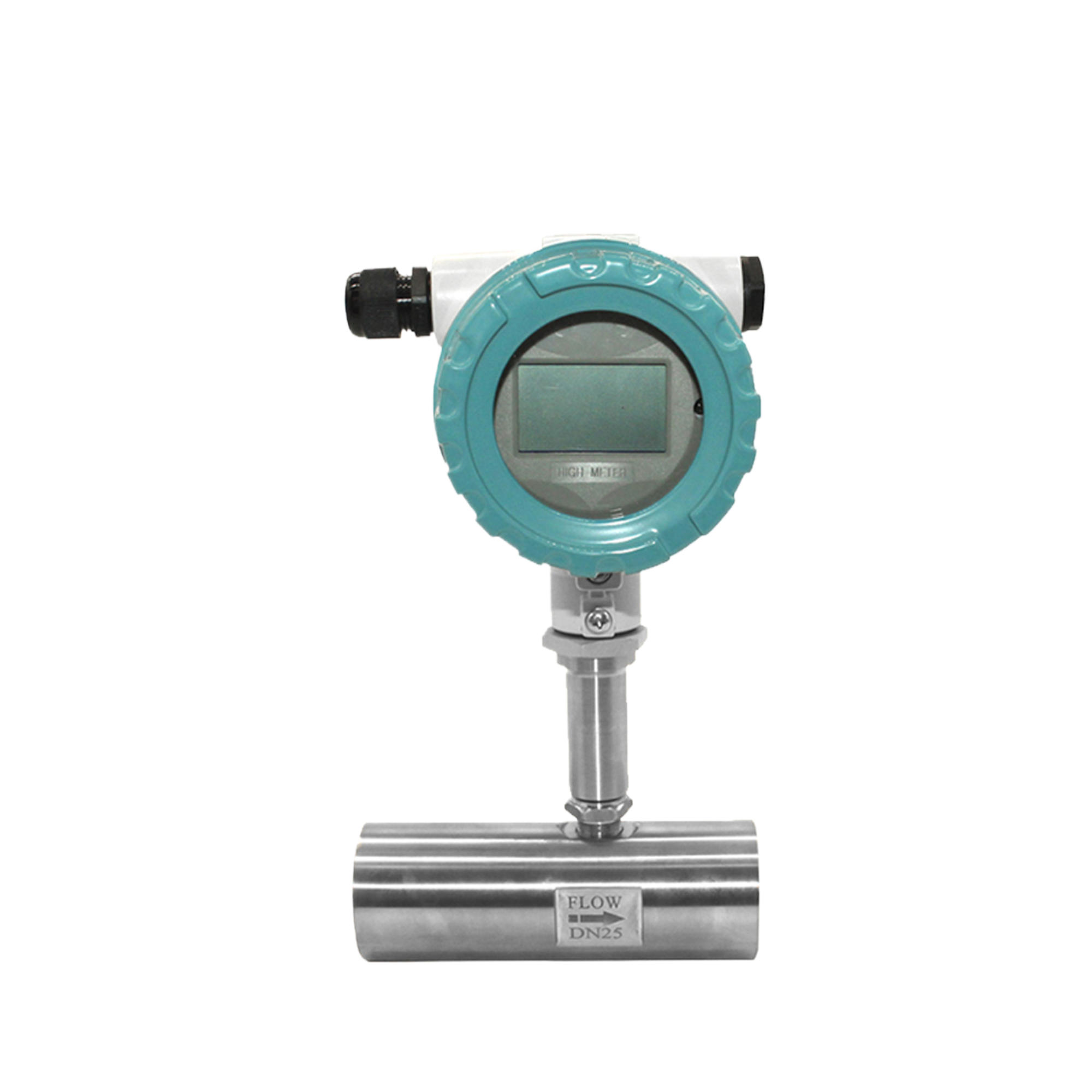
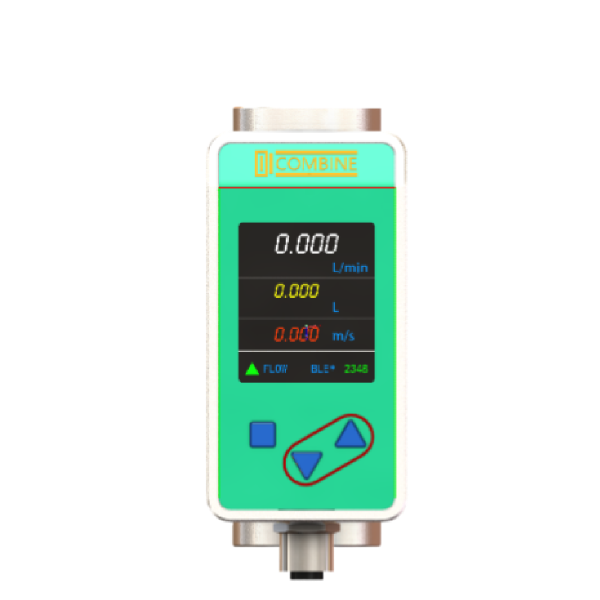
The liquid turbine flowmeter features an explosion-proof design and can display total flow, instantaneous flow, and the percentage of full-scale flow.
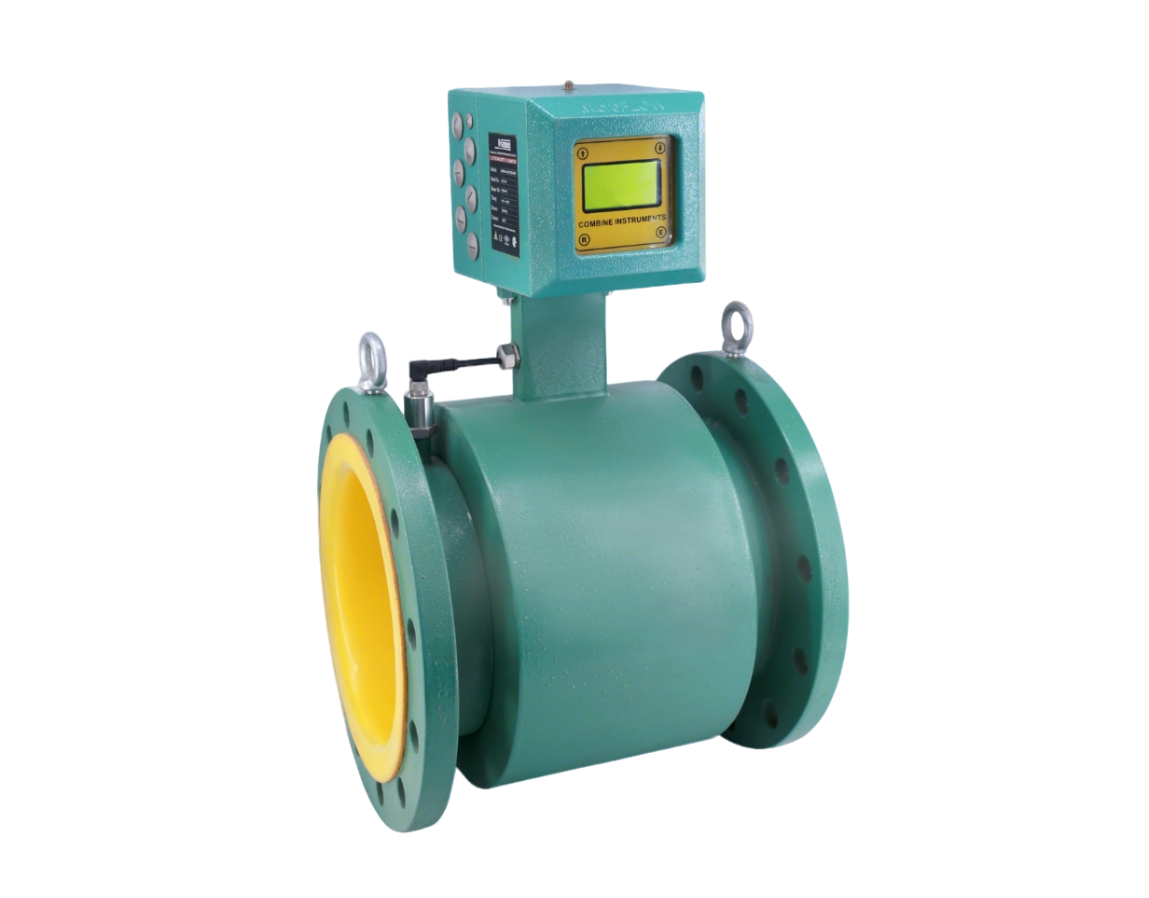
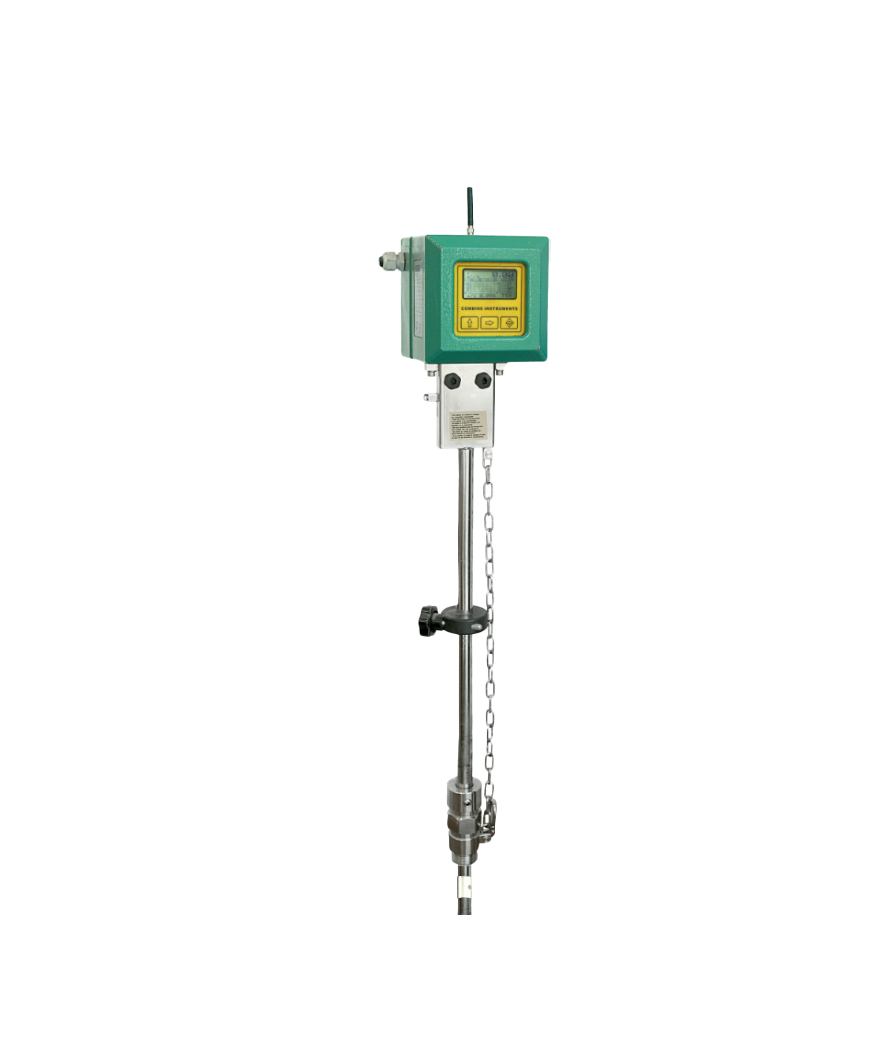
Liquid turbine flowmeter (a turbine flowmeter consisting of a turbine flow sensor paired with a display instrument). The sensor liquid turbine flowmeter features high accuracy, good repeatability, long service life, and simple operation. It can be widely used in industries such as petroleum, chemical engineering, metallurgy, and papermaking to measure the instantaneous volumetric flow rate and total volume of liquids.
KBL-WLVTurbine flowmeters are a major type of velocity-type flowmeter. When the fluid being measured flows through the turbine flowmeter sensor, the impeller rotates under the action of the fluid; its rotational speed is directly proportional to the average flow velocity in the pipe. Simultaneously, the blades periodically cut across the magnetic field lines generated by an electromagnet, changing the magnetic flux through the coil. According to the principle of electromagnetic induction, this induces a pulsating electrical potential signal—i.e., an electrical pulse—in the coil. The frequency of this pulsed electrical signal is directly proportional to the flow rate of the fluid being measured.
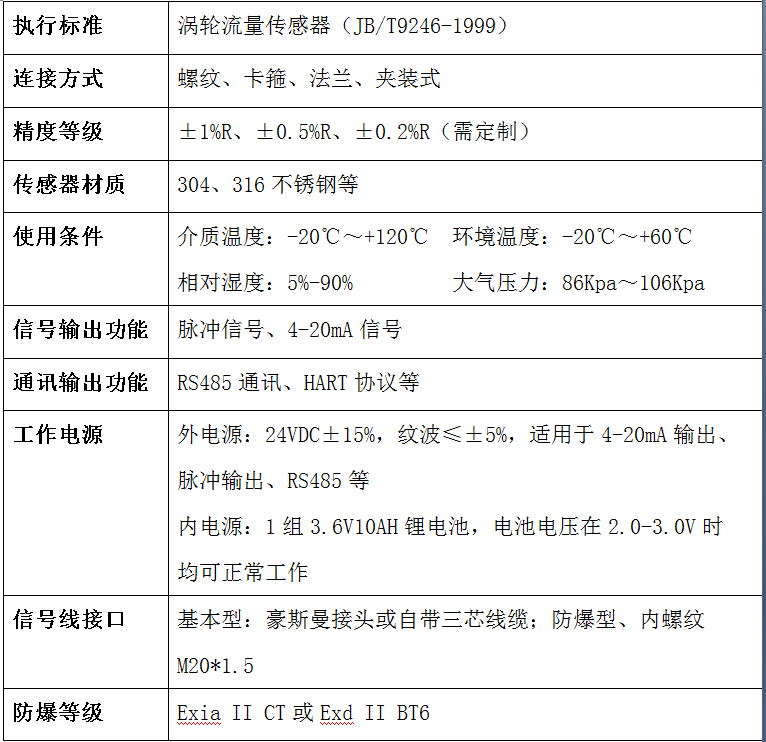
Technical Specifications
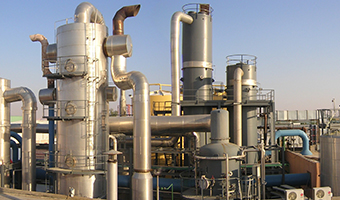
Application areas
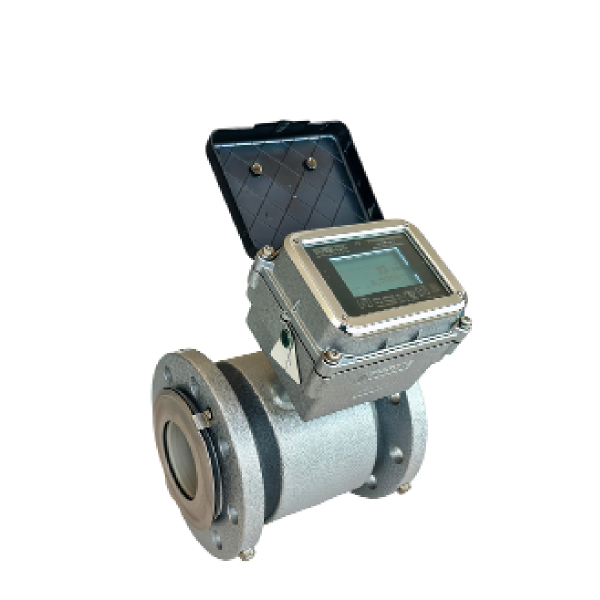
Electromagnetic flowmeters are widely used in industrial and agricultural production processes across sectors such as petrochemicals, steel and metallurgy, water supply and drainage, irrigation, water treatment, wastewater treatment plants (including environmental wastewater control, chemical wastewater, and electroplating wastewater), papermaking (pulp), slurry handling, pharmaceuticals, and food processing for flow measurement and control.